
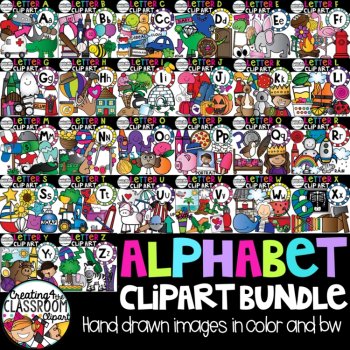
Alphabet Clipart Bundle |Beginning Sounds Clipart
$45.50 $89.50 (354)

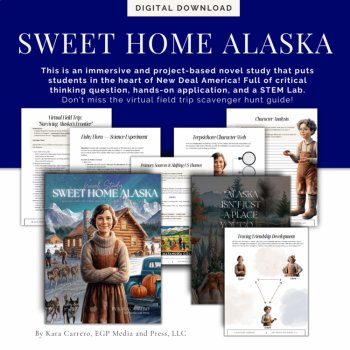
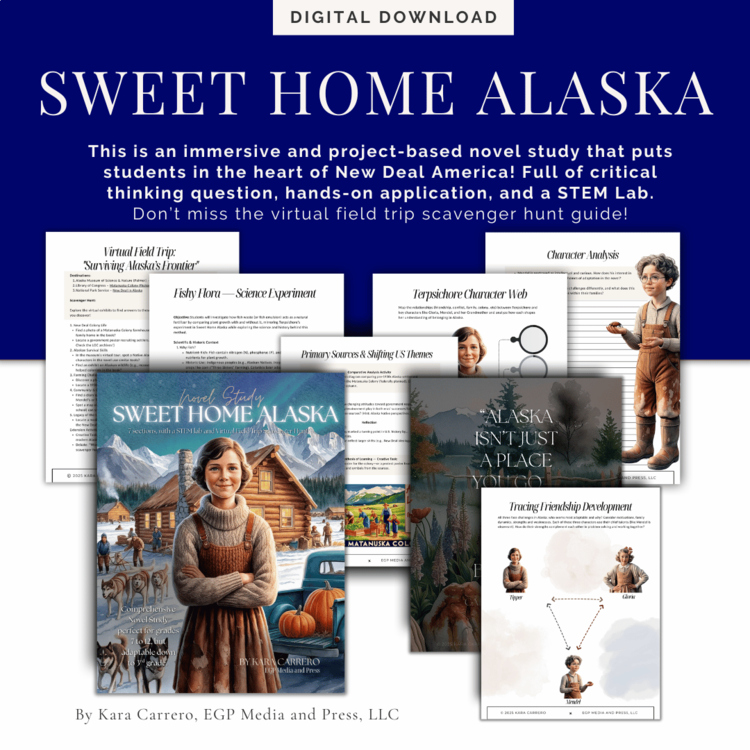
Bring Carole Estby Dagg's Historical Novel to Life Through Hands-On Learning
Immerse students in the Matanuska Colony resettlement with this comprehensive novel study that blends literature, Great Depression history, and practical STEM challenges. Perfect for homeschoolers (especially unit study families) and classroom teachers, this guide transforms reading into an interactive exploration of 1930s frontier life.
What's Included?
1. Historical Context Guide
2. Vocabulary
3. Character Development
4. Theme Exploration
5. Hands-On STEM Labs
6. Cross-Curricular Projects
6. Virtual Field Trips
APPENDIX includes both real and historically accurate illustrative primary sources to practice analyzing documents.
Perfect For:
Format: Printable PDF + Museum Links
More Than a Book - A Time Machine to 1935!
This study doesn't just teach about the Matanuska Colony - it lets students experience the challenges through science, math, and primary sources.
Get Your Copy & Journey to 1930s Alaska!
Here is just a glimpse of the objectives covered and met:
Grades 3-5
ELA (CCSS)
Science (NGSS)
Social Studies (NCSS/C3)
Grades 6-8
ELA (CCSS)
Science (NGSS)
Social Studies (NCSS/C3)
Grades 9-10
ELA (CCSS)
Social Studies (NCSS/C3)
Grades 11-12
ELA (CCSS)
Social Studies (NCSS/C3)
Report this resource to Linked Through Learning
Reported resources will be reviewed by our team. Report this resource to let us know if this resource breaks our rules.
No questions yet.
Meet the Seller
Where learning takes root through project-based learning
Differentiated project based curriculum for a K through 12 learners. Perfect for classroom or homeschool use as every unit is flexible, rigorous, and fun!
New Hampshire
$45.50 $89.50 (354)