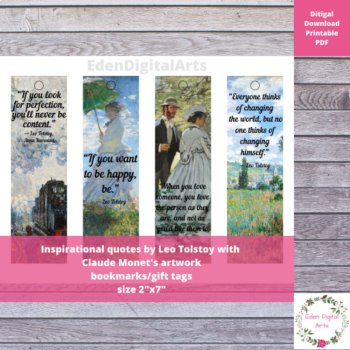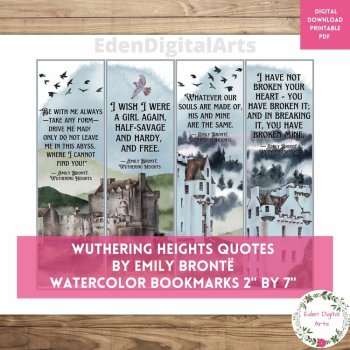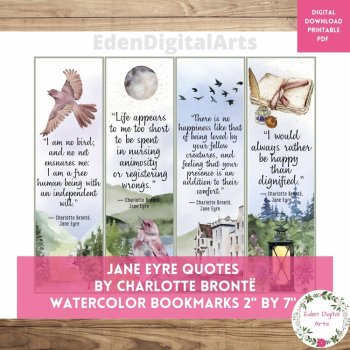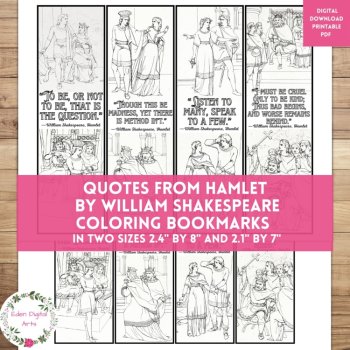

Victor Hugo Literary Inspirational Quotes Bookmarks Painted Paris Artworks

$2.25

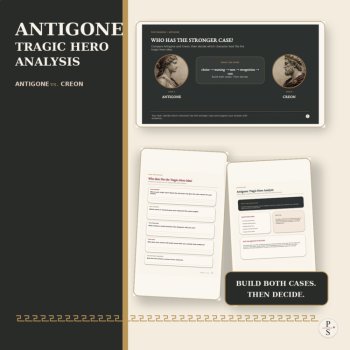
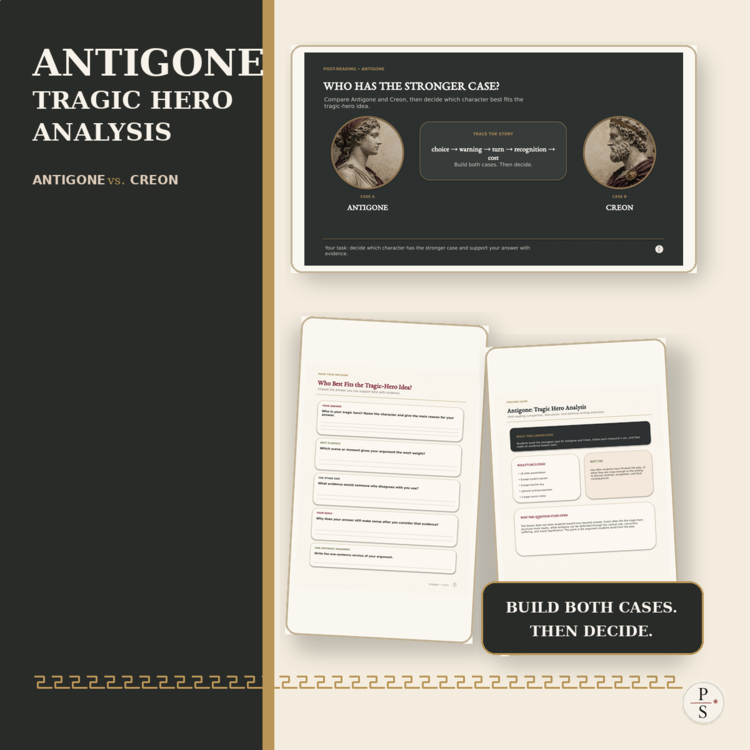
Which character best fits the tragic-hero idea in Sophocles' Antigone? This post-reading lesson asks students to build the strongest case for both Antigone and Creon before they decide. Students compare the characters' choices, warnings, reversals, recognition, responsibility, and final costs, then turn that evidence into a supported claim.
WHAT'S INCLUDED
• 16-slide teaching presentation (PowerPoint + PDF)
• 8-page student analysis packet (PowerPoint + PDF)
• 8-page teacher key (PowerPoint + PDF)
• 4-page teacher guide (PowerPoint + PDF)
• 2-page teacher source notes (PowerPoint + PDF)
• Optional literary argument extension
WHAT STUDENTS DO
Students begin with a first impression, but they are not asked to defend it blindly. They build Antigone's case, build Creon's case, and trace both characters through the same sequence of choice, warning, turning point, recognition, and cost.
Along the way, students consider:
• stakes
• complexity
• hamartia
• responsibility
• reversal
• recognition
• cost
Before making a final decision, students identify evidence that makes each case harder to defend and consider the strongest point someone on the other side might use. The final page can be used to plan a paragraph, short response, or longer literary-analysis essay.
BEST FOR
• Sophocles' Antigone
• Post-reading discussion
• Tragic hero / tragedy analysis
• Evidence-based literary analysis
• Argument writing
• Grades 9-12
TEACHER NOTES
The lesson does not require one "correct" tragic hero. Creon may fit the traditional tragic-hero structure more neatly, while Antigone can be defended through her central role, conviction, suffering, and moral significance. The emphasis is on the quality of the evidence and reasoning students use.
The student packet uses light backgrounds, clear outlines, and generous writing space so it reproduces well in grayscale.
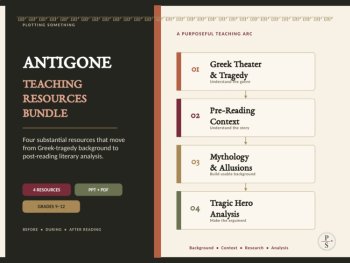
Teaching Antigone from beginning to end? This lesson is included in my Antigone Bundle, which adds Greek tragedy background, pre-reading context, and a mythology/allusions project to support the play before students reach this final analysis.
Report this resource to Linked Through Learning
Reported resources will be reviewed by our team. Report this resource to let us know if this resource breaks our rules.
No questions yet.

Meet the Seller
Thoughtful Resources for Secondary ELA
Literature-rich lessons, engaging classroom activities, and thoughtfully designed teaching resources for secondary English teachers.
Pennsylvania