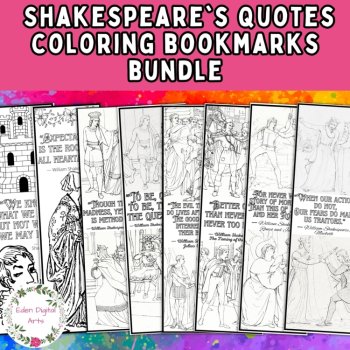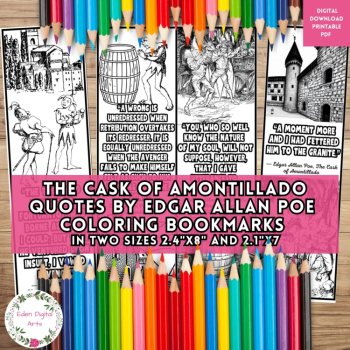
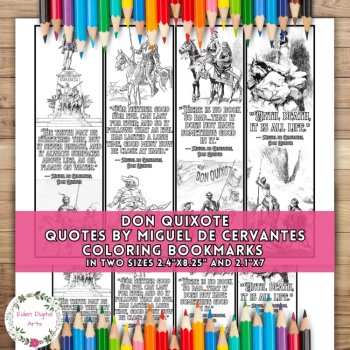
Don Quixote Coloring Bookmarks Cervantes Quotes Novel Review Activity Keepsake

$2.40 (1)

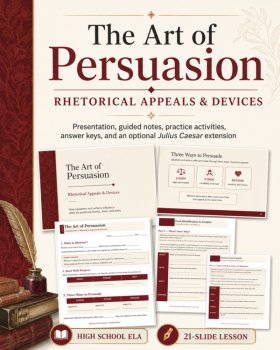
Teach rhetorical appeals and devices without stopping at simple identification.
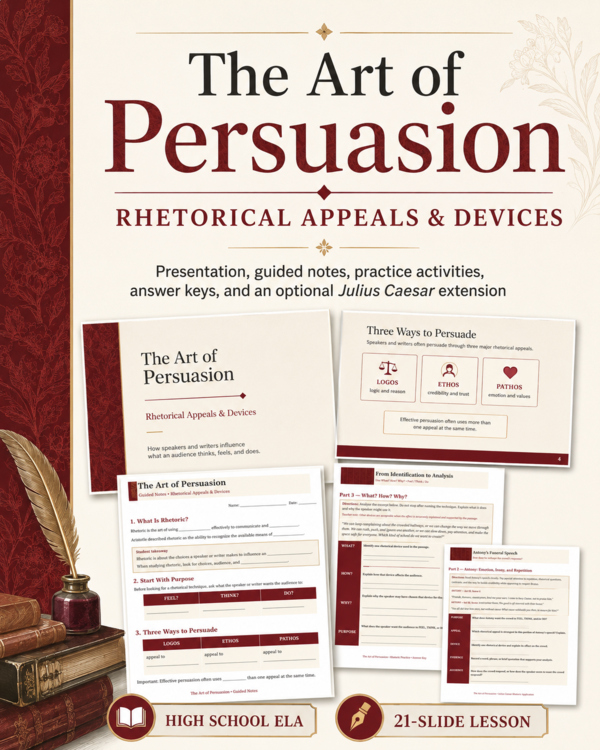
The Art of Persuasion is a ready-to-use secondary ELA mini-unit that helps students understand how speakers and writers influence an audience—and why their rhetorical choices matter.
Students begin with an accessible Feel / Think / Do framework for identifying purpose, then learn the three major rhetorical appeals—ethos, logos, and pathos—along with five commonly used rhetorical devices: anaphora, antithesis, parallelism, rhetorical question, and paralipsis/apophasis.
From there, students move beyond simply naming techniques and begin analyzing them using a straightforward What? How? Why? approach:
The result is a practical introduction to rhetorical analysis that can stand alone or prepare students for more complex work with speeches, arguments, literature, and nonfiction.
What's Included
The guided notes closely follow the presentation, while the general practice activity gives students opportunities to identify appeals and devices, analyze their effects, and create persuasive language of their own.
Optional Julius Caesar Extension
Teaching Julius Caesar? An additional application activity asks students to analyze and compare Brutus and Antony's Act III funeral speeches, considering each speaker's purpose, appeals, rhetorical devices, audience response, and overall effectiveness.
Not teaching Shakespeare? Simply leave this portion out. The complete rhetoric lesson works without it.
Perfect For
A Flexible Resource
Use the complete sequence as a short mini-unit, teach only the sections your students need, or use the practice activity as a review or diagnostic. The included teacher guide provides suggested pacing, stopping points, and options for students with different levels of prior knowledge.
Report this resource to Linked Through Learning
Reported resources will be reviewed by our team. Report this resource to let us know if this resource breaks our rules.
No questions yet.
Meet the Seller
Thoughtful Resources for Secondary ELA
Literature-rich lessons, engaging classroom activities, and thoughtfully designed teaching resources for secondary English teachers.
Pennsylvania
AI Assisted
I develop the ideas, plan the activities, and guide the creation of all resources. AI tools assist with writing, illustrations, and design. Every resource is reviewed, edited, and refined using my teaching experience to ensure quality, accuracy, and meaningful real-world learning.
$7.20 $9.00