Science Posters- The Periodic Table-Brown Corduroy Design
$5.00 (1)

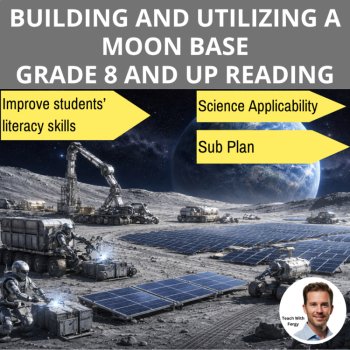
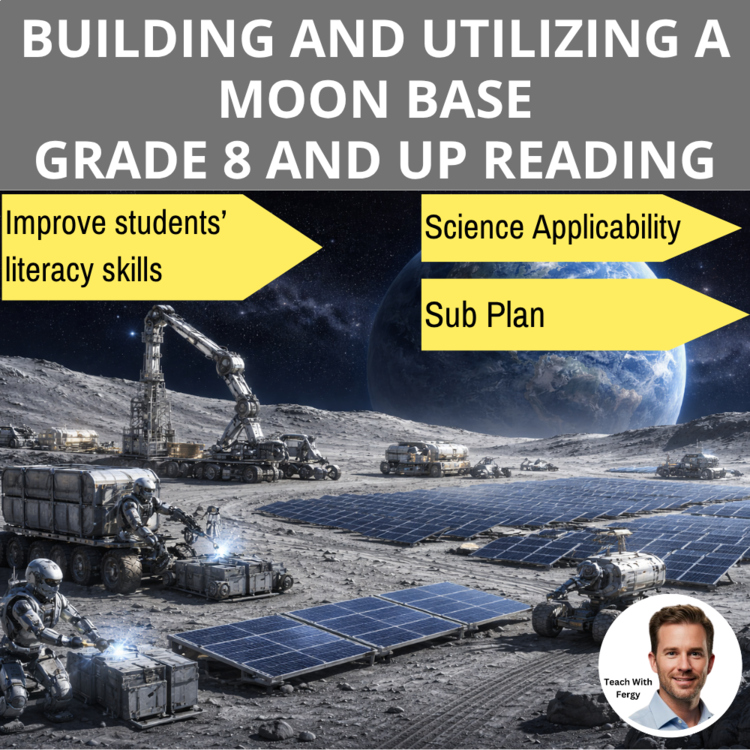
Building and Utilizing a Moon Base: Why, How, and When Reading Comprehension Passage and Questions
This reading explores the real-world science and engineering behind building and maintaining a moon base and how it could shape the future of space exploration. It is a high-interest topic that helps students understand why humans want to return to the Moon, how a lunar base could be constructed, and how it supports long-term goals such as missions to Mars and beyond.
The article explains how a moon base would be designed, built, and operated using advanced technologies and systems. Students examine key scientific and engineering concepts such as in-situ resource utilization (ISRU), life support systems, radiation shielding, and habitat design, while also exploring real-world developments like NASA’s Artemis program, commercial space partnerships, and international collaboration.
The reading also highlights challenges such as radiation exposure, extreme temperatures, lunar dust, and long-term human health, along with the solutions scientists and engineers are developing.
This resource covers the following topics:
✅ Reading on Moon Bases & Space Exploration: How humans plan to live on the Moon, overcome challenges, and expand into deep space.
✅ No-Prep, Editable Resource: Easy to assign as print or digital literacy practice.
✅ Includes Questions & Answer Key: Includes 10 comprehension questions + 5 extension questions and a full answer key.
✅ Designed for older middle school and high school students exploring space science, engineering, and future technology.
How this product will help your students:
How this product will help you:
Google Classroom and Distance Learning Ready
Having all three options allow you to assign the reading to your students without worrying about formatting issues as all the work has already been done for you. It also allows you, as well as your students, to access everything no matter where you are or what kind of equipment is being used.
No prep, no formatting, no issues. Simply download, print (or upload to your class site) and you're all set.
The Problem You Face - Not having the time to properly teach scientific literacy (disciplinary literacy) or improve your student's reading comprehension and analysis skills.
The Solution
This fully editable, NO PREP reading comprehension article is composed of relevant, applicable, and engaging reading activities which can be used to:
• introduce your topic
• improve your student's reading comprehension and scientific literacy skills
• improve your students' analysis skills
• provide an extension activity to students who move at a faster pace
• provide extra credit to students in need
• measure your student's literacy skills
This resource will take your students between 60-90 minutes to complete and includes some open-ended questions. An answer key is also included for your reference.
-----------------------------------------------
You might also be interested in the following individual reading comprehension articles:
Chemistry:
• The Chemistry of Explosions
• Plastics: A Marvel Of Innovation
• The Chemistry of Paint
• Water Softeners and Hard Water
• Cleaning up Acid Spills
• The Accumulation of Plastic in the Ocean
• Chemistry of Cooking
• Chemistry of Cosmetics
• Blood Analysis and Forensics
• Radioactivity
• Desalination for Drinking Water
• Rust-Proofing
• Everyday Chemistry in Our Lives
• Matter
• The Chemistry of Candy
• Microplastics and Plastic Pollution
• The Chemistry of Chocolate
• Rare Earth Elements and Technology
Energy:
• Fossil Fuels
• Nuclear Energy: Fission and Fusion
• Hydroelectric Energy Production
• Solar Energy Production
• Wind Energy Production
• Renewable Energy Production
• Hydraulic Fracturing - Fracking
• Biofuels - Food or Fuel?
• Electric House
• Energy Use and Conservation
• The Physics of Nuclear Fusion
• Nuclear Reactor Accidents and Their Impacts
• Radioactive Waste Management
Biology:
• Fermentation and Food
• DNA Paternity Tests
• Laser Eye Surgery
• Physical Adaptations
• Muscle Growth
• Genetically Modified Organisms
• Mosquitoes And The Diseases They Spread
• Twins
• GERD and Acid Reflux - A Digestive System Disease
• Bats – Misconceptions, Importance, and Facts
• Superbugs - The Super Villains of Modern Medicine
• Heart Attack and Stroke
• Why Leaves Change Color In The Fall
• The Science of Fireflies
• Photosynthesis
• The Science of Fear
• Gene-Edited Pigs and Xenotransplantation
• Lab-Grown Meat and the Future of Food
• Love in the Animal Kingdom
Health:
• The Common Cold
• The Flu
• Exercise and its Importance for Health
• Stem Cell Therapy: The Future of Medicine?
• Concussions
• Poliomyelitis - Polio
• Smallpox
• The Measles
• Genetics and Gene Therapy
• Heart Diseases
• Cancer
• The Effects of Caffeine
• Down syndrome
• HIV/AIDS - Informing the Public and Dispelling the Misconceptions
• The Effect of Stress on the Brain
• The Effect of Sugar on the Body
• Whooping Cough
• Asthma and Asthma Attacks
• The Immune System
• Farming: Organic vs. Conventional
• The Dangers of Smoking
• Parkinson’s Disease
• Protective Equipment - Keeping you safe
• Fats
• Tinnitus – Ringing in the Ears
• Cystic Fibrosis
• The Effects Of Binge Drinking On Teenagers
• Multiple Sclerosis
• Painkillers
• Diabetes
• Radioactivity
• Scarring
• Allergies
• Carbohydrates, Lipids, and Health
• The Placebo Effect
• The Nervous System
• The Coronavirus and COVID
• Common Viruses - Part 1
• Common Viruses - Part 2
• Bacterial Infections - Part 1
• Bacterial Infections - Part 2
• Nuclear Reactor Accidents and Their Impacts
• Water Filtration and Purification
• Portable Water Purification
• The Science of Fear
• The Dangers of Youth Vaping and e-Cigarettes
• Artificial Intelligence and Machines Learning
• CRISPR Gene Editing
• The Consequences of Sleep Deprivation
Earth and Space:
• The Northern and Southern Lights
• The Limitations of Space Travel
• Why is the Sky Blue? An application of light waves
• Stars - The Element Factories of the Universe
• Solar and Lunar Eclipses
• The Different Types of Clouds
• How Weather Works
• Natural Disasters
• Thunderstorms
• Fossils
• Geologic Time
• Watersheds
• Hurricanes
• Planets
• Phases of Water
• Why Do We Need the Moon?
• Earth's Natural Resources
• Supervolcanoes and Mega-Eruptions
• The Rock Cycle - Igneous, Sedimentary, Metamorphic Rocks
• Exoplanets and How We Could Get There
• The Carbon Cycle Processes, Human Impacts, and Solutions
• Building and Utilizing a Moon Base
Physics:
• Magnets and Electromagnets
• Roller Coasters - History, Design, and Function
• How Do Boats Float?
• Optical Phenomena
• The Effects of Everyday Forces
• Hydraulics
• Hot-Air Balloons
• Simple Machines
• Automobile Safety
• Pneumatics
• Microscopes
• Skydiving and Parachutes
• Bridges
• Rockets
• How Waves Are Used for Communication
Ecology and the Environment:
• Invasive Species
• Ecosystems
• Pesticides
• The Importance of Bees
• Coral Reef Ecosystems and their Future
• Climate Change
• Hydraulic Fracturing - Fracking
• Farming: Organic vs. Conventional
• Oil Spills and Their Consequences
• Bioaccumulation and Biomagnification
• RuBisCO - Earth's Most Important Protein
• Symbiotic relationships between plants and insects
• Smog - Its Causes and Dangers
• Ocean Acidification
• Pollution Control Devices
• Tap vs Bottled Water
• Predator Prey Relationships
• Greenhouse Effect
• Species Extinction
• Nuclear Reactor Accidents and Their Impacts
• Taxonomy and Classification of Living Things
• Agriculture & Fertilizer Runoff
• Natural Resource Depletion & Mining
• Overfishing and Marine Ecosystem Destruction
Natural Disasters:
• Volcanoes: The Benefits and Devastation
• Earthquakes Part 1
• Earthquakes Part 2
• Tsunamis
• How the Dinosaurs Died
General Science:
• When Will I Ever Use This
Praise For My Reading Comprehension Resources:
Report this resource to Linked Through Learning
Reported resources will be reviewed by our team. Report this resource to let us know if this resource breaks our rules.
No questions yet.

Meet the Seller
Middle and High School Science Engaging Resources
I have been selling resources to middle and high school teachers for the last 15 years. During that time I've also been in the classroom so I know what works and what will help your students the most.
Canada