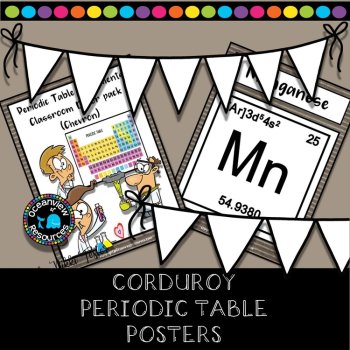
Science Posters- The Periodic Table-Brown Corduroy Design
$5.00 (1)

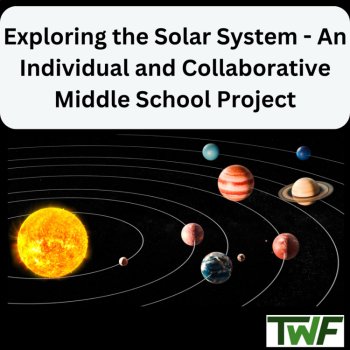
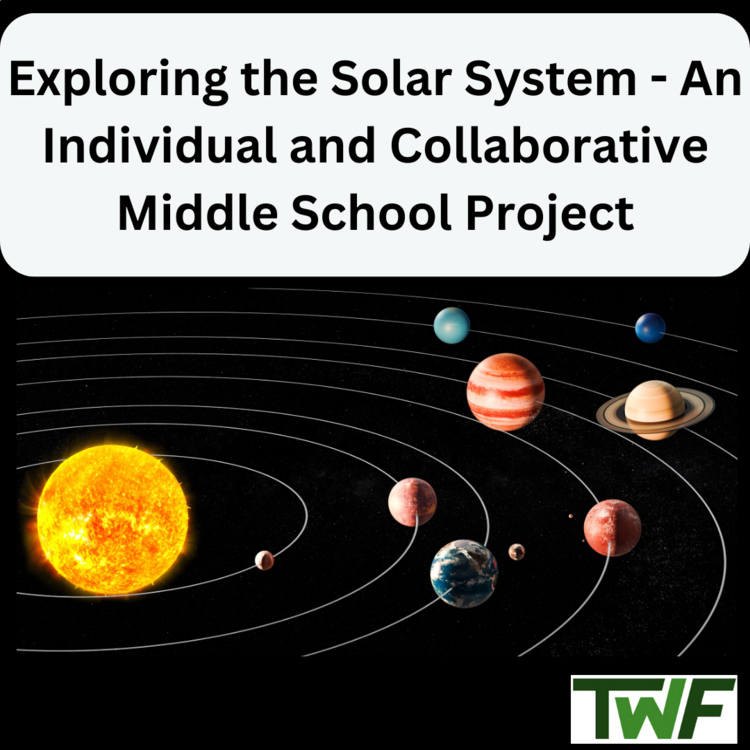
Exploring the Solar System - A Middle School Space Project that combines research, creativity, and collaboration.
Take your students on an exciting journey through our solar system with this comprehensive 6-part space project! Students will gain an in-depth understanding of each planet through activities like creating fact files, designing fictional cities, and writing from the perspective of a resident.
The project comes in Office, Google, and PDF formats for your convenience. It is also fully editable.
The project begins with an introduction to the planets where students will compare basic characteristics on a chart.
Next, each student will be assigned a planet to research in-depth. They will create an engaging infographic poster highlighting unique traits, orbital paths, survival challenges, and fun facts about their planet.
In part 3, students will team up to analyze similarities and differences between their planets using Venn diagrams and presentations. Comparing composition, climate, size, terrain and more draws connections.
Imagination ignites in part 4 as groups design fictional cities tailored to their planet’s conditions. From infrastructure to culture, students will draw detailed maps and diagrams to showcase their planetary metropolis. Presentations explain how the city design reflects the planet’s traits.
Part 5 allows students to imagine daily life on their planet through a written journal. By pretending to live there, students connect more deeply.
Finally, the project culminates in the Planets Fair where groups host interactive exhibits to teach visitors about the amazing worlds in our solar system.
With 6 comprehensive components, this project offers an enriching opportunity for middle schoolers to explore space.
NGSS:
MS-ESS1-1. Develop and use a model of the Earth-sun-moon system to describe the cyclic patterns of lunar phases, eclipses of the sun and moon, and seasons.
MS-ESS1-2. Develop and use a model to describe the role of gravity in the motions within galaxies and the solar system.
MS-ESS1-3. Analyze and interpret data to determine scale properties of objects in the solar system.
MS-PS2-4. Construct and present arguments using evidence to support the claim that gravitational interactions are attractive and depend on the masses of interacting objects.
MS-ETS1-1. Define the criteria and constraints of a design problem with sufficient precision to ensure a successful solution.
The cross-cutting concepts of patterns, scale, systems, and structure and function are addressed through various project components as well.
Report this resource to Linked Through Learning
Reported resources will be reviewed by our team. Report this resource to let us know if this resource breaks our rules.
No questions yet.

Meet the Seller
Middle and High School Science Engaging Resources
I have been selling resources to middle and high school teachers for the last 15 years. During that time I've also been in the classroom so I know what works and what will help your students the most.
Canada
$22.50 $34.75 (318)
$22.50 $33.50 (190)