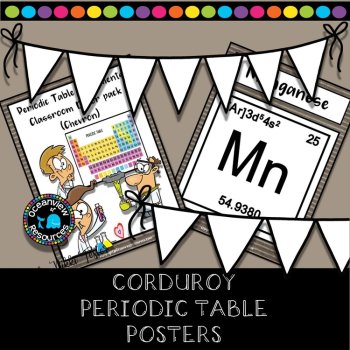
Science Posters- The Periodic Table-Brown Corduroy Design

$5.00 (1)

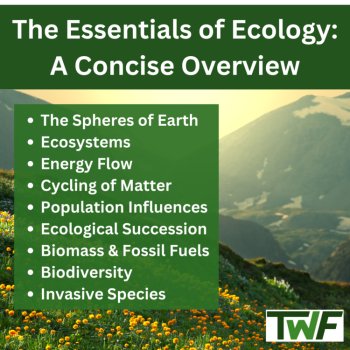
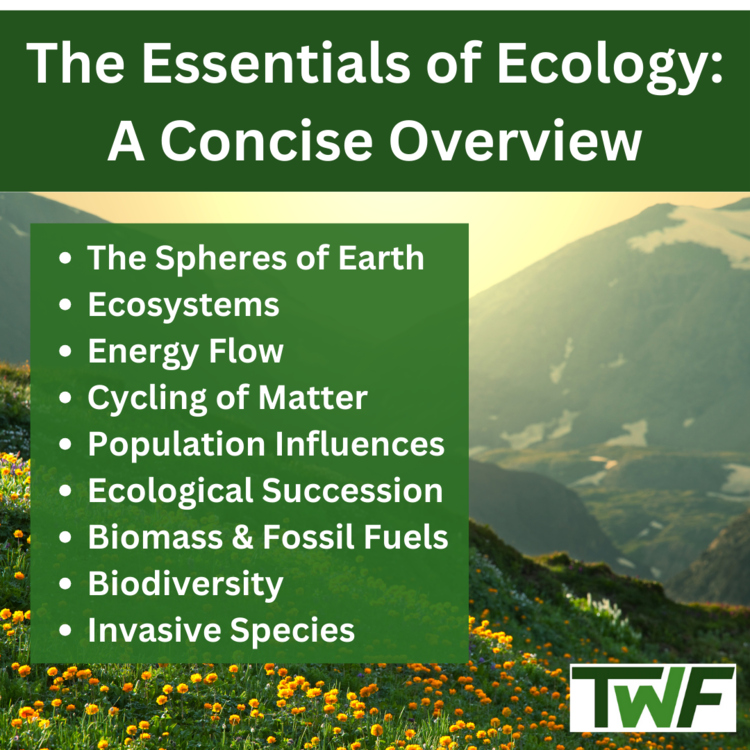
Looking for a simplified overview of key ecology concepts? This concise 9-lesson summary package distills core topics down to their essentials.
Each lesson summary is between 200-300 words. This resource isn't about detail, it's about creating a very short and concise summary of the most important concepts found in the lesson.
Lesson 1 summarizes the four main spheres of Earth - the atmosphere, lithosphere, hydrosphere, and biosphere. Understand the composition and role of each sphere in supporting life.
Lesson 2 covers ecosystems and breaks down the differences between biotic and abiotic factors. Learn about populations, communities, and how energy flows through food chains and webs.
Lesson 3 focuses on photosynthesis, cellular respiration, and the vital role of the sun in ecosystems. See how energy is transferred between trophic levels.
Lesson 4 explains the cycling of matter through biogeochemical cycles like the water, carbon, nitrogen and phosphorus cycles.
Lesson 5 explores biotic and abiotic influences on populations. Discover limiting factors, tolerance ranges, and symbiotic relationships.
Lesson 6 explains primary and secondary ecological succession using real-world examples. Learn key terminology related to succession.
Lesson 7 covers biomass, the formation of fossil fuels, and the causes and effects of acid precipitation.
Lesson 8 highlights the importance of biodiversity, keystone species, and the various causes of extinction.
Lesson 9 examines invasive species and methods for controlling their spread and impact.
Here's how you could utilize this ecology lesson summary package in your classroom:
The condensed format allows flexibility to utilize the summaries in whatever way best supports student learning goals.
With this summary package, you'll gain a solid foundation in ecology in clear, condensed lessons. Perfect for students or anyone looking to brush up on these essential topics.
Report this resource to Linked Through Learning
Reported resources will be reviewed by our team. Report this resource to let us know if this resource breaks our rules.
No questions yet.

Meet the Seller
Middle and High School Science Engaging Resources
I have been selling resources to middle and high school teachers for the last 15 years. During that time I've also been in the classroom so I know what works and what will help your students the most.
Canada