Primary vs. Secondary Sources Lesson | Primary Sources Activities | Social Studies Upper Elementary
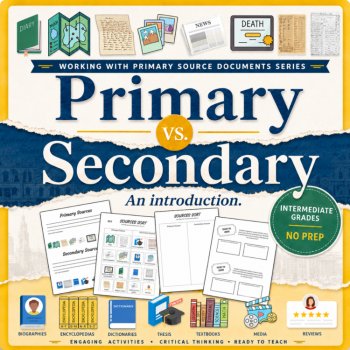
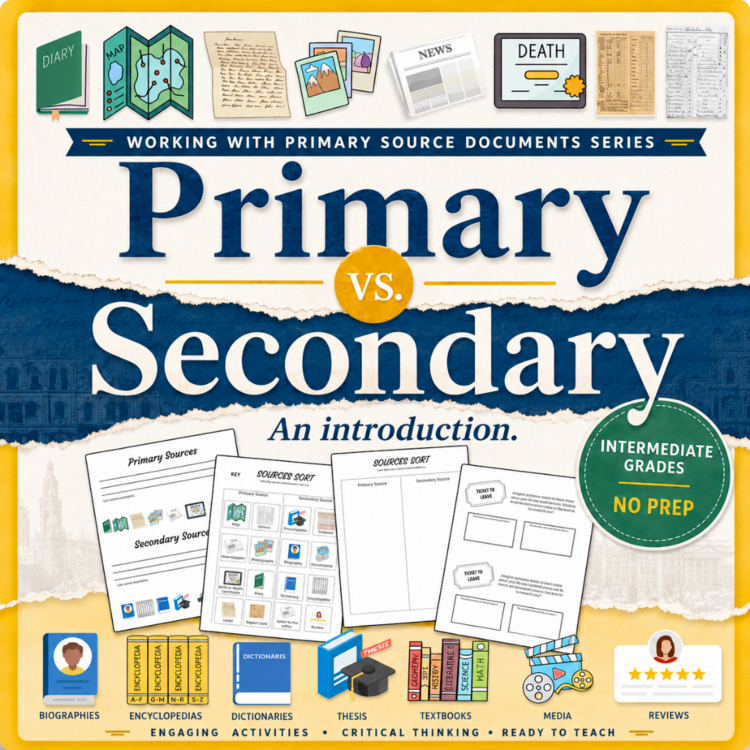
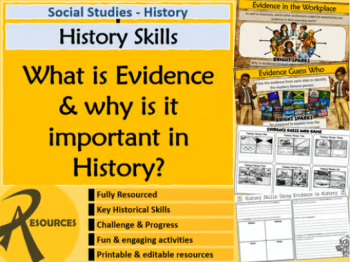
Help your students master primary and secondary sources with this engaging, scaffolded lesson designed specifically for upper elementary and intermediate grades! This resource is perfect for introducing primary sources in social studies in a way that is accessible, interactive, and easy to understand.
Many teachers worry that teaching primary source analysis is too difficult for younger learners—but with the right support, students can thrive! This lesson breaks down the concepts of primary vs. secondary sources using clear definitions, visuals, guided notes, and hands-on practice.
✅ Students will:
Learn the definitions of primary and secondary sources
Identify and explore real-world examples of primary sources and secondary sources
Practice sorting primary vs. secondary sources with an engaging activity
Demonstrate understanding through a quick exit ticket assessment
📦 What’s Included in This Primary Sources Lesson:
Vocabulary posters (perfect for a social studies word wall)
Student note sheet for recording definitions and examples
Primary vs. Secondary Sources sorting activity (includes sorting mat + answer key)
Exit ticket / ticket out the door for formative assessment
🎯 Skills Covered:
Identifying primary sources vs. secondary sources
Intro to historical thinking skills
Analyzing sources in social studies
Classification and critical thinking
📍 Standards Alignment: Aligned with New York State (NYS) Social Studies Practices A2, making it a great fit for your NYS social studies curriculum.
💡 Perfect For:
Upper elementary (grades 3–5)
Social studies units on historical sources
Intro lessons on primary source analysis
Centers, small groups, or whole group instruction
Test prep and review of primary vs. secondary sources