Functional Life Skills Checklist, IEP Goals & Interventions K–12th Grade Bundle
$30.51 $33.90

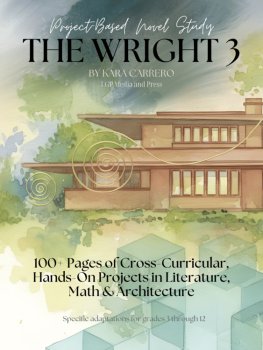
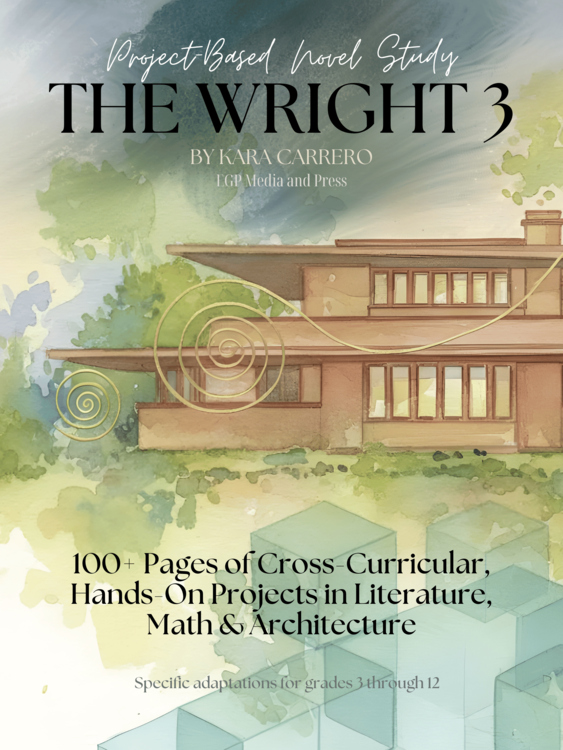
Art, Architecture & Identity: A Complete Project-Based Novel Study for "The Wright 3" by Blue Balliett
Transform literature education into hands-on exploration of art, architecture, philosophy, and mathematics with this comprehensive 100+ page interdisciplinary curriculum. Unlike traditional novel studies focused on reading comprehension questions, this innovative resource engages students in authentic investigation and creation projects that bring Blue Balliett's architectural mystery to life.
Complete Implementation Flexibility:
Core Learning Experiences Include:
Rich Cross-Curricular Integration: Mathematics concepts include Fibonacci sequences, golden ratio applications, geometric relationships, and proportional reasoning. Science connections explore structural engineering, materials science, and sustainable design. Social studies elements examine American architectural movements, cultural identity, and historic preservation. Art education covers design principles, color theory, and spatial analysis.
Comprehensive Resource Package:
Assessment Innovation: Portfolio-based evaluation system measures authentic learning through project artifacts, reflection journals, peer collaboration evidence, and community impact documentation. No traditional tests—only meaningful demonstration of understanding through creation and application.
Professional Development Support: Extensive teacher resources include grant proposal templates, community partnership agreements, troubleshooting common implementation challenges, and long-term impact assessment tools. Perfect for educators seeking to integrate STEAM learning with literature study.
Age-Appropriate Differentiation:
Technology Integration Options: Supports various tech comfort levels from simple digital documentation to advanced architectural modeling software (SketchUp, Fusion 360, 3D printing). Includes free and paid software recommendations with implementation guidance.
Homeschool and Classroom Ready: Designed for flexible implementation across diverse learning environments. Works excellently for individual students, mixed-age family learning, co-op groups, or traditional classroom settings. All materials ready for immediate use with minimal preparation required.
This curriculum transforms students into active creators, philosophers, and community members who understand how literature, mathematics, and spatial design intersect to create meaning. Students gain sophisticated vocabulary for analyzing built environments, develop spatial reasoning skills, and learn to approach complex preservation and authenticity questions with multiple philosophical frameworks.
Keywords: Frank Lloyd Wright, Fibonacci sequence, golden ratio, architectural education, project-based learning, pentomino puzzles, Robie House, philosophy for children, STEAM integration, spatial reasoning, Prairie School architecture, mathematical proportions, design thinking, authentic assessment
Report this resource to Linked Through Learning
Reported resources will be reviewed by our team. Report this resource to let us know if this resource breaks our rules.
No questions yet.

Meet the Seller
Where learning takes root through project-based learning
Differentiated project based curriculum for a K through 12 learners. Perfect for classroom or homeschool use as every unit is flexible, rigorous, and fun!
New Hampshire