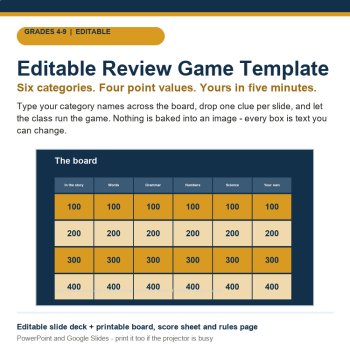
Editable Review Game Template | Whole Class Review | Grades 4-9

$5.99

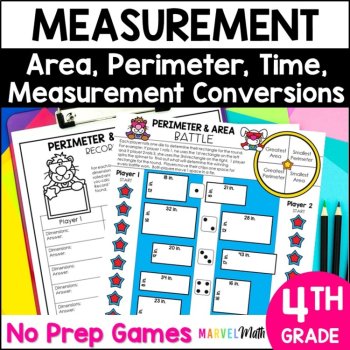
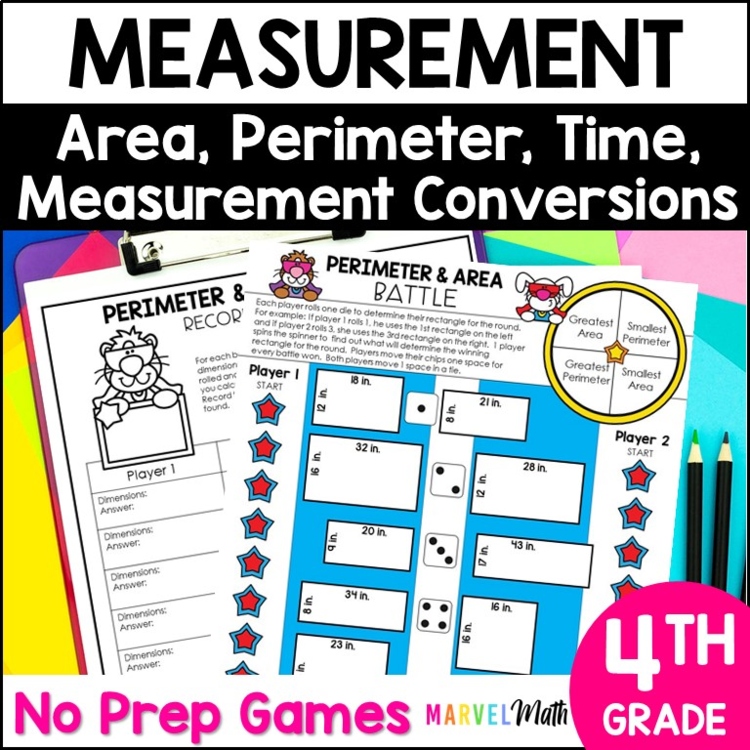
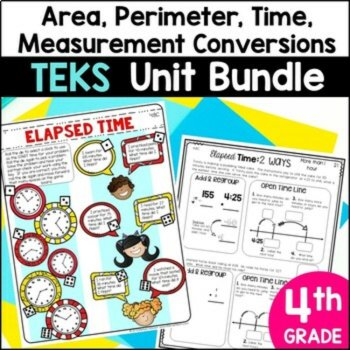
4th Grade Measurement Conversions, Area and Perimeter, Elapsed Time Games
(35 ratings)$6.00
Add to cartYour students will love these Fun 4th Grade Measurement Conversions, Area and Perimeter, Relative Sizes of Measurement Units and Elapsed Time Word Problems Games! Students will be engaged while playing each of these games that practice challenging measurement topics.
What Topics are Covered?
This resource is part of this time saving, discounted bundle:
❤ 4th Grade Measurement Unit and Bundle ❤
What's Included?
How Can I use these Games?
Games in this Resource:
Standards Covered
TEKS:
Common Core:
Report this resource to Linked Through Learning
Reported resources will be reviewed by our team. Report this resource to let us know if this resource breaks our rules.
“This was a great addition to my learning stations! The activity was easy to set up, engaging for students, and provided meaningful practice with the skill. My students enjoyed working through the activity, and it kept them focused and involved.”
“My students absolutely loved these games during our conversions unit!”
No reviews match. Try other filters.
No questions yet.

Meet the Seller
In addition to my work in education, I also run a STEM-based Christmas Light Show business. When I'm not creating new math resources or working with teachers, I'm designing and fabricating light shows sequenced to music with my husband and our team. That business came about after our family was featured on ABC's The Great Christmas Light Fight. My son attends the University of Texas, Austin and I'm currently soaking up every last minute with my daughter, a high school senior.
San Antonio, Texas
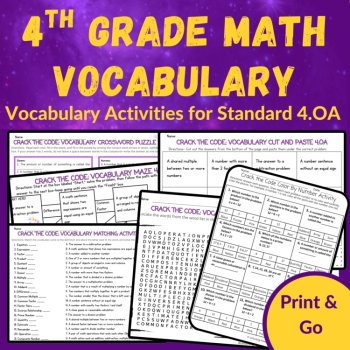
 Unlocking Potential Educational Services,LLC
$3.95
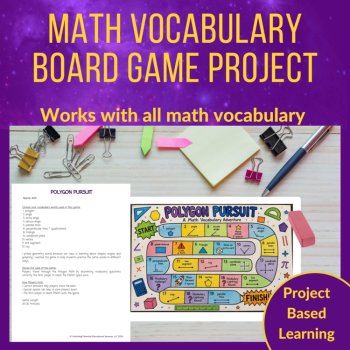
AI Assisted
The seller says AI was used in making this resource, but didn't add details.
Unlocking Potential Educational Services,LLC
$3.00
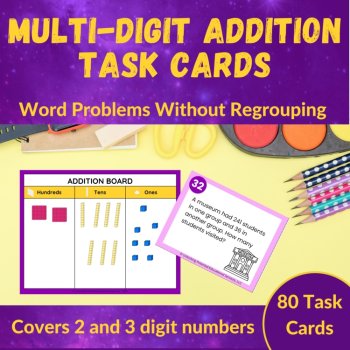
Unlocking Potential Educational Services,LLC
$4.95
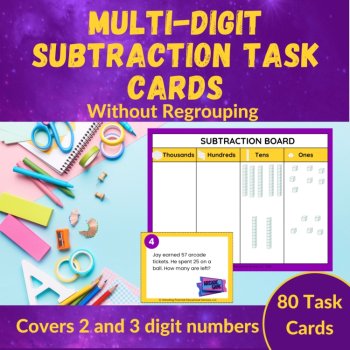
AI Assisted
Used AI to brainstorm word problem ideas.
Unlocking Potential Educational Services,LLC
$4.95
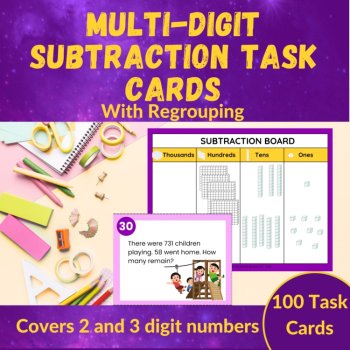
AI Assisted
Used AI to brainstorm word problem ideas.
Unlocking Potential Educational Services,LLC
$4.95