AI Assisted
AI Assisted
The seller says AI was used in making this resource, but didn't add details.
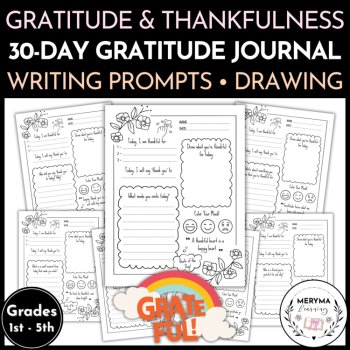
30-Day Thankfulness and Gratitude Journal Writing Prompts and Drawing Activities

$3.00

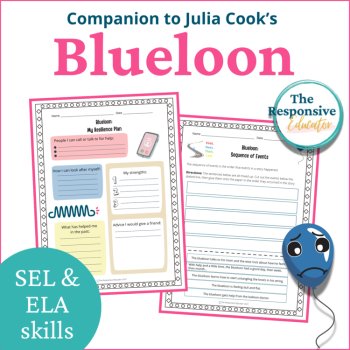
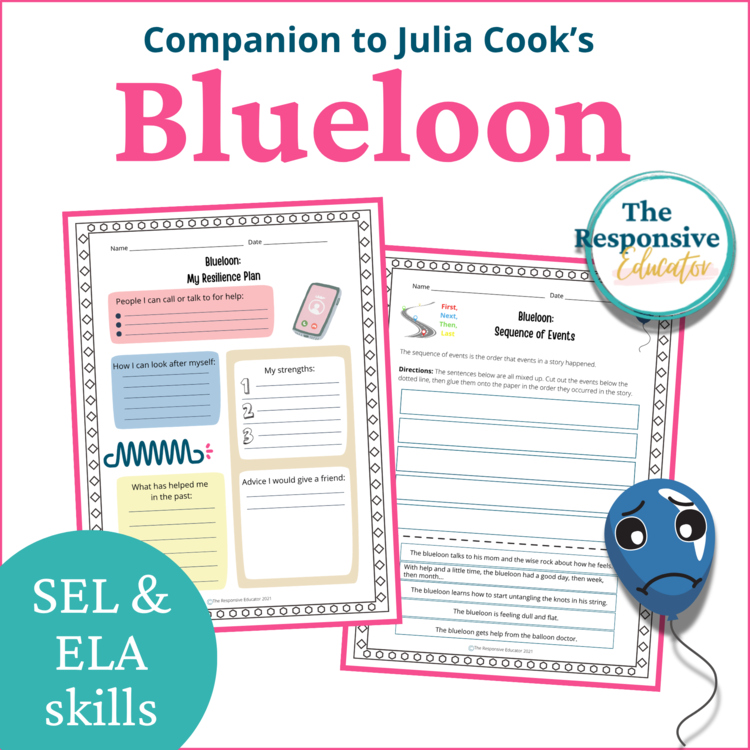
Blueloon Book Character Education Read Aloud Activities Feeling Sad Worksheets is a structured companion for Blueloon by Julia Cook. It includes feeling sad worksheets, hope activities, guided discussion, and differentiated follow-up activities that help students understand sadness, identify sources of support, and practice healthy ways to cope with difficult emotions.
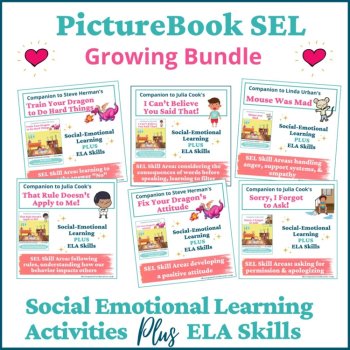
This resource is part of a growing collection of SEL read alouds that connect meaningful picture books with explicit instruction in behavior, social-emotional learning, and literacy. It can be used as an interactive read-aloud lesson, a short SEL unit, or a flexible source of character education activities that teachers can revisit over several days or weeks.
Help Students Find Words for Sadness and Discouragement
Students do not always know how to explain feelings of sadness, loneliness, disappointment, or discouragement. Some withdraw or stop participating. Others become irritable, refuse work, or respond to small problems more strongly than adults expect.
These behaviors may be what teachers notice first, but correcting the behavior alone does not help students understand what they are feeling or what they can do next. Students need safe, structured opportunities to identify their emotions, examine their thoughts, recognize sources of support, and practice coping strategies.
This resource was created to support those conversations while allowing teachers to continue meaningful literacy instruction.
Through a relatable picture book, guided discussion, and differentiated activities, students explore how sadness can affect thoughts and behavior. They also learn that difficult emotions can change and that they can take small, healthy steps toward support, coping, resilience, and hope.
Why Teachers Use This Resource
This companion helps teachers:
What’s Included
This 115-page resource includes more than 40 differentiated activities. It is intentionally designed so that you do not need to complete every page.
The range of activities allows you to:
Interactive Read-Aloud Lesson Plan
The interactive read-aloud section includes:
If you are looking for an SEL social emotional read aloud that goes beyond basic comprehension questions, this resource provides the structure needed to turn the story into thoughtful, explicit skill instruction.
Feeling Sad Worksheets
The feeling sad worksheets help students develop language for emotions that can otherwise be difficult to explain. Students are not asked to share private experiences publicly. Instead, the activities provide flexible ways to explore emotions through characters, examples, photographs, writing, and personal reflection.
Students practice:
These activities help teachers move beyond telling students to “cheer up” or “think positively.” Students learn that sadness is a real emotion that deserves understanding, while also learning that support and coping strategies can help.
Hope Activities
The hope activities help students look beyond the way a difficult moment feels right now. Hope is not taught as pretending that everything is fine. Instead, students learn to recognize that feelings and circumstances can change, supportive people are available, and small actions can help them move forward.
Students explore:
These activities can be used during the read-aloud unit or revisited later when students need additional practice recognizing sources of hope.
Emotional Regulation and Coping Practice
Students need more than a list of coping strategies. They also need help deciding which strategy fits the situation, when to use it, and how to ask for support when coping independently is not enough.
The emotional regulation learning worksheets help students recognize emotions, thoughts, physical signals, and possible responses. Social emotional regulation learning worksheets give students structured practice connecting a difficult feeling with a safe, helpful next step.
Teachers can select from the emotional regulation activities worksheets when students need practice with:
Social-Emotional Learning Skills
Students practice:
ELA Skills
The resource also includes practice with:
These activities allow teachers to reinforce literacy skills while helping students build emotional awareness and coping skills.
Additional Supports
Additional materials include:
Notes to Families
Family notes provide:
Ways to Use This Resource
Teachers can use these activities during:
About the Book
In Blueloon by Julia Cook, a balloon overwhelmed with sadness learns important lessons about resilience and hope. With guidance from a steady, supportive rock, Blueloon begins to understand how to cope with difficult emotions and “bounce back.”
The story provides a natural entry point for helping students talk about sadness, recognize that emotions can change, and identify healthy ways to manage difficult feelings. It also gives teachers a shared example to discuss without requiring students to disclose personal experiences.
The Bottom Line
If your students struggle to explain sadness, cope with discouragement, or recognize that difficult emotions can change, this resource provides a structured and supportive way to teach those skills.
Students learn that they do not have to ignore or hide sadness. They can name what they are feeling, seek support, use coping strategies, and take small steps toward resilience and hope.
Curious for More?
Explore the complete collection of SEL read alouds and book companions here. Each resource combines structured discussion, social-emotional learning, literacy practice, and differentiated follow-up activities to help students build skills they can use in real situations.
Learn More: Interactive Readalouds for SEL and Literacy Skills
Discover the power of interactive readalouds in promoting social-emotional learning (SEL) and literacy skills in children.
Whether you’re a teacher or a caregiver, learn how interactive readalouds can positively transform young lives with this blog post: Interactive Read Alouds: How to Use Them to Promote SEL and Literacy Skills.
Get Connected
Want to stay in the loop? I’d love for you to join my community on TPT and be the first to know about an ever-expanding collection of exceptional resources. They're all about boosting your teaching journey and empowering your elementary classroom with fantastic SEL and behavior support resources.
Earn Credits
And here's the sweet deal – with your purchase, you're not just enriching your teaching toolkit. You also have the chance to spread the love through reviews and unlock TPT credits that may be used toward more exceptional educational resources.
Report this resource to Linked Through Learning
Reported resources will be reviewed by our team. Report this resource to let us know if this resource breaks our rules.
No questions yet.

Meet the Seller
Behavior Support and Interventions
I provide resources that help teachers manage classroom behavior and teach social-emotional skills effectively. With over 20 years of experience in special education, I offer practical tools and strategies to support both teachers and students in achieving their best. I have been dedicated to supporting students with special needs since 2005, specializing in both behavioral and academic interventions. My extensive experience spans teaching in self-contained classrooms from grades K-12 and assisting general and special education teachers with managing significant behavioral challenges. As a former lead of an RTI committee and a behavior specialist, I have a deep understanding of effective classroom management strategies.
Florida
AI Assisted
The seller says AI was used in making this resource, but didn't add details.
$3.00
$4.00 (2)
$3.50 (1)