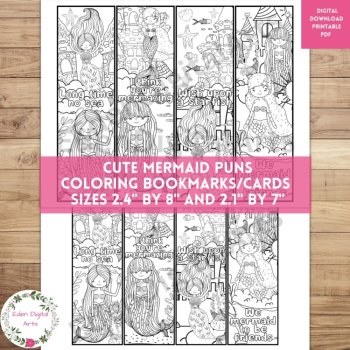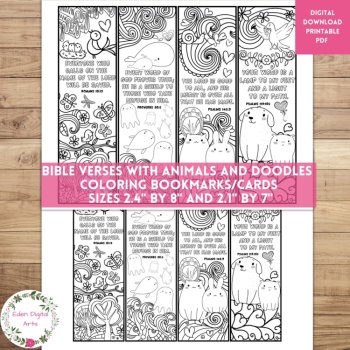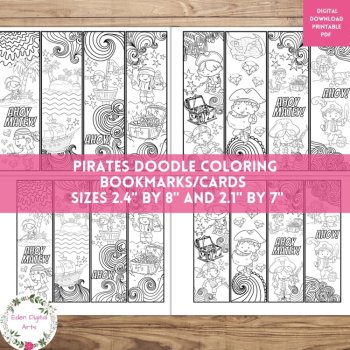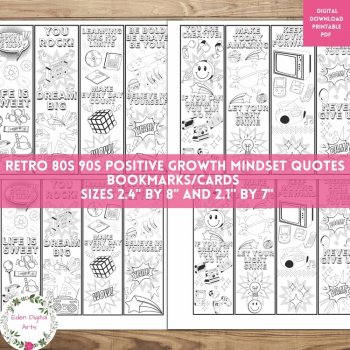
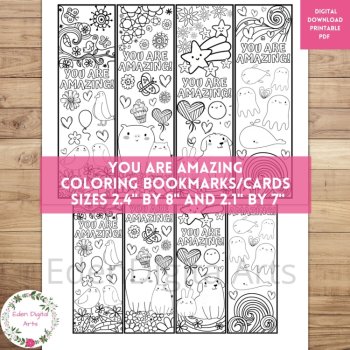
Cute Animal Doodles Kindness Coloring Bookmarks Compliment Craft Cards Rewards

$2.35 (6)

A student may understand the expected behavior but still need feedback and reinforcement more frequently than a traditional end-of-day chart provides. When the goal feels too far away or reinforcement is given inconsistently, it can be difficult for the student to connect their behavior with the outcome they are working toward.
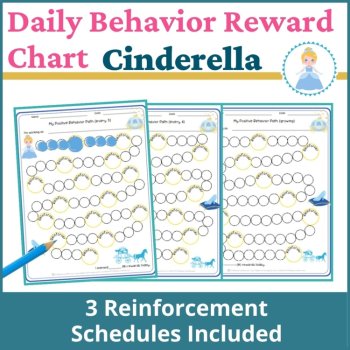
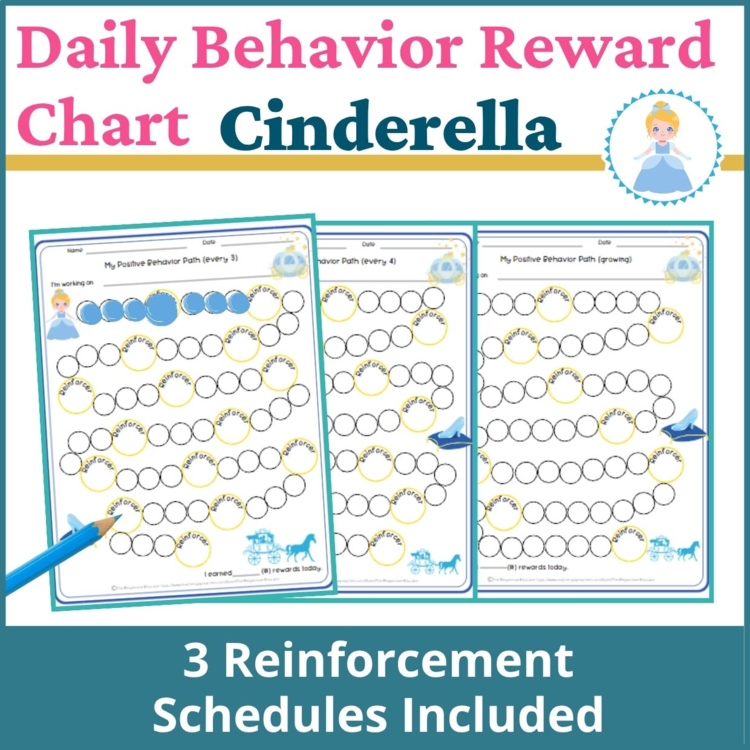
This Cinderella daily reward chart provides a clear visual path for working toward reinforcement throughout the day. The student behavior reward chart focuses on one clearly defined target behavior and allows the teacher to mark each time the student demonstrates it.
Each student behavior reward sheet also follows a specific reinforcement schedule, providing a structured approach to student behavior reinforcement that can be adjusted as the student becomes more successful.
Choose a Reinforcement Schedule That Fits the Student
Students differ in how frequently they need reinforcement when learning or strengthening a behavior. A student who is just beginning may need to earn a reward after fewer demonstrations of the target behavior. Another student may be ready to complete more steps before reinforcement is provided.
This resource includes three reinforcement schedules:
The three versions allow teachers to select an attainable starting point without creating an entirely new system. As the student becomes more independent, the reinforcement schedule can be adjusted to encourage continued progress.
Focus on One Clear Target Behavior
The chart includes space to write the behavior the student is working on. For the best results, choose a behavior that is specific, observable, and written in positive language.
Instead of using a broad goal such as “behave” or “make good choices,” identify what the student should do. Examples might include:
A clearly defined target helps the student understand how progress is earned. It also makes it easier for different adults to use the chart consistently.
How to Use the Daily Reward Chart
The chart can be printed for one-time use, allowing the student or teacher to color the spaces or add stickers. It can also be laminated and used repeatedly with a dry-erase marker.
Match the Reward to the Schedule
The reward should be meaningful to the student, but it must also be realistic for the teacher to provide at the selected rate. A brief activity, classroom privilege, small item, or short preferred interaction may work well when reinforcement is earned frequently. A longer or more valuable reward may require more behavior between reinforcement opportunities.
Offering a small number of teacher-approved choices can increase the student’s investment while keeping the system manageable. The goal is to select reinforcement that the student is willing to work for and that adults can provide consistently.
Why the Theme Can Help
Choosing a theme connected to the student’s interests can make the reward chart feel more personal and increase the student’s willingness to participate. The theme does not replace clear expectations, direct instruction, or meaningful reinforcement, but it can help create initial interest and buy-in.
Use the Chart for Simple Progress Monitoring
Each chart includes a place to record how many rewards the student earned. This creates a simple daily record that can help teachers notice whether the student is earning reinforcement more frequently over time.
For the most meaningful comparison, keep the target behavior, reinforcement schedule, and length of the tracking period consistent. If one of those changes, note the change when reviewing the results because the number of rewards earned may no longer represent the same level of performance.
Completed charts can also be reviewed with the student, shared with families, or used during team discussions about whether the current support is working.
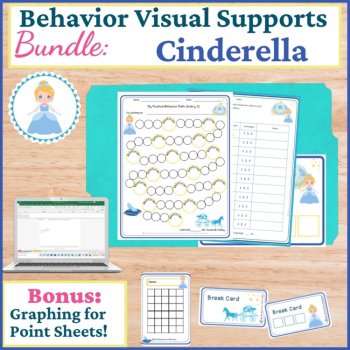
What’s Included
Please Note
This resource is a printable PDF and is not editable. The text, graphics, layout, and reinforcement schedules cannot be changed. The student’s name, date, target behavior, and number of rewards earned can be written in after printing.
This daily reward chart is intended to support the teaching and reinforcement of a clearly defined positive behavior. It is most effective when the student understands the expectation, the reward is meaningful, and adults provide reinforcement consistently.
Stay Connected
Follow The Responsive Educator on TPT to receive updates when new behavior and SEL resources are added.
After using the resource, you can leave a review to share your experience and earn TPT credits toward future purchases.
Report this resource to Linked Through Learning
Reported resources will be reviewed by our team. Report this resource to let us know if this resource breaks our rules.
No questions yet.

Meet the Seller
Behavior Support and Interventions
I provide resources that help teachers manage classroom behavior and teach social-emotional skills effectively. With over 20 years of experience in special education, I offer practical tools and strategies to support both teachers and students in achieving their best. I have been dedicated to supporting students with special needs since 2005, specializing in both behavioral and academic interventions. My extensive experience spans teaching in self-contained classrooms from grades K-12 and assisting general and special education teachers with managing significant behavioral challenges. As a former lead of an RTI committee and a behavior specialist, I have a deep understanding of effective classroom management strategies.
Florida