
Field Wild Flowers Coloring Bookmarks Anti Stress Relaxing For Teens & Adults

$3.70 (1)

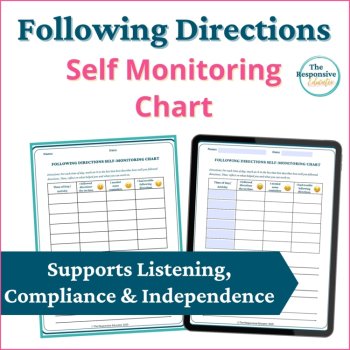
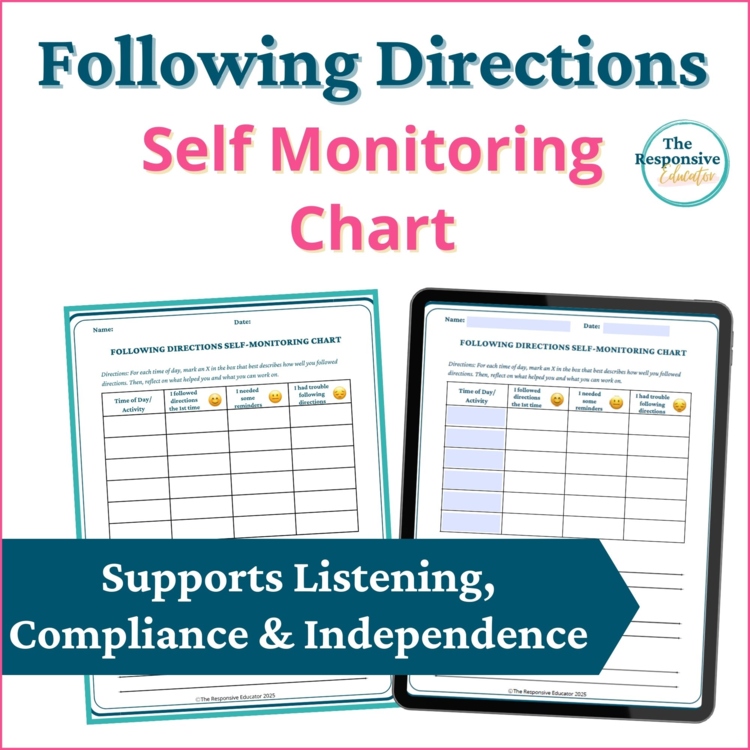
Help students develop responsibility and independence with the Following Directions Self-Monitoring Behavior Chart! This self-assessment smiley faces tool encourages students to track their ability to follow instructions, reflect on when they needed reminders, and build essential listening and task-completion skills—while providing valuable data for teachers.
Why Do Students Need to Self-Monitor Their Ability to Follow Directions?
Many students struggle with listening and following through with instructions, which can lead to incomplete work, repeated redirections, and frustration in the classroom. Common challenges include:
Self-monitoring helps students take responsibility for their listening skills and work habits. Research shows that self-monitoring can:
Which Students Would Benefit from Self-Monitoring Their Ability to Follow Directions?
Common Challenges Teachers Face
How This Chart Helps
How It Works
What’s Included?
Two Versions:
Formats:
Perfect For:
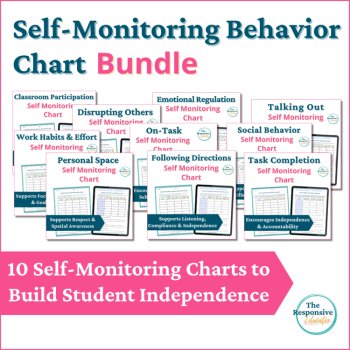
This Following Directions Self-Monitoring Behavior Chart is part of a growing collection of self-monitoring tools designed to help students take ownership of their behavior, improve self-regulation skills, and increase classroom success. Be sure to check out the full set for more options tailored to different student needs!
Please follow me on TPT for more great behavior tracking and SEL resources. And remember, if you purchase, please leave a review and TPT will give you credits toward more fabulous TPT resources!
Report this resource to Linked Through Learning
Reported resources will be reviewed by our team. Report this resource to let us know if this resource breaks our rules.
No questions yet.
Meet the Seller
Behavior Support and Interventions
I provide resources that help teachers manage classroom behavior and teach social-emotional skills effectively. With over 20 years of experience in special education, I offer practical tools and strategies to support both teachers and students in achieving their best. I have been dedicated to supporting students with special needs since 2005, specializing in both behavioral and academic interventions. My extensive experience spans teaching in self-contained classrooms from grades K-12 and assisting general and special education teachers with managing significant behavioral challenges. As a former lead of an RTI committee and a behavior specialist, I have a deep understanding of effective classroom management strategies.
Florida