AI Assisted
AI Assisted
The seller says AI was used in making this resource, but didn't add details.
30-Day Thankfulness and Gratitude Journal Writing Prompts and Drawing Activities

$3.00

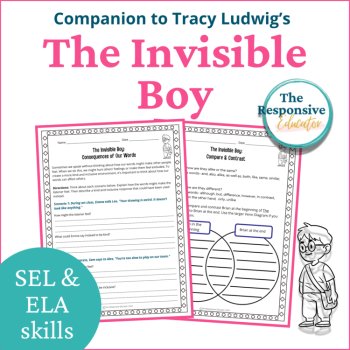
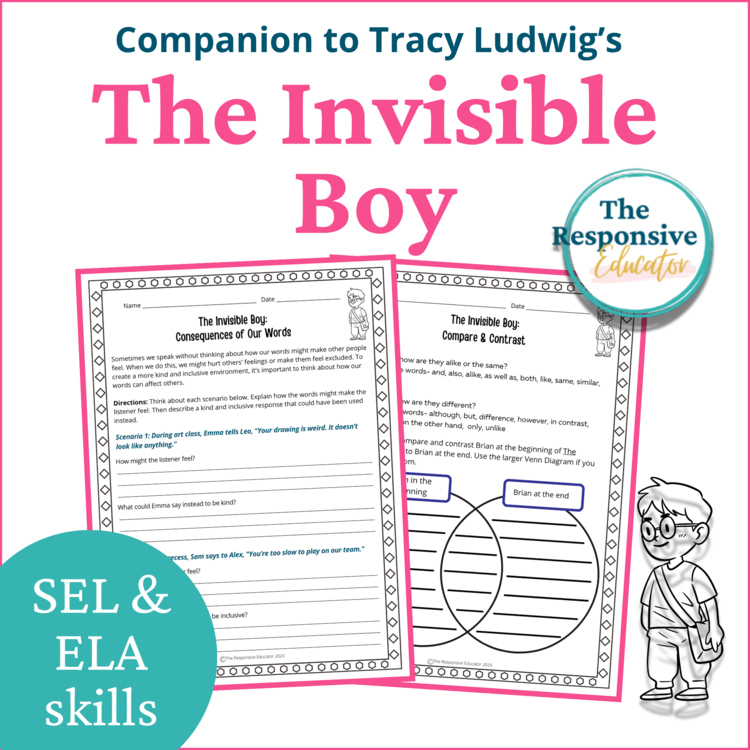
The Invisible Boy Book SEL Character Education Read Aloud Empathy Activities is a structured read-aloud companion for The Invisible Boy by Trudy Ludwig. Designed for students in 2nd–5th grade, it helps students understand what it feels like to be left out, recognize when someone is being overlooked, and practice including others in everyday situations.
The resource includes empathy activities, classroom scenarios, reflection pages, and positive behavior choices activities. Students examine how small choices can help someone feel welcomed or excluded while learning that including others often begins with noticing who may need an invitation, a kind word, or a place within the group.
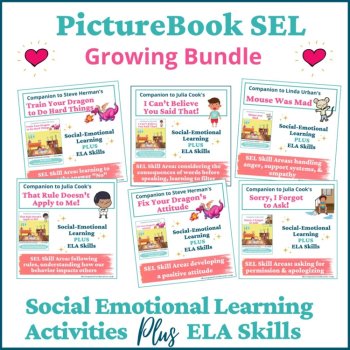
Part of a Collection of SEL Read Alouds
This resource is part of a growing collection of SEL read alouds that combine meaningful picture books with explicit social-emotional and literacy instruction. Each SEL social emotional read aloud gives students a safe way to examine a character’s experiences before connecting those ideas to their own classrooms, friendships, and communities.
These character education read aloud activities help teachers discuss exclusion and empathy without identifying or embarrassing a particular student. The accompanying character education book activities then give students opportunities to apply what they have learned through discussion, writing, scenario analysis, and personal reflection.
Why Students May Not Recognize When Someone Feels Left Out
Exclusion is not always loud or intentional. A student may be left out because classmates are focused on their existing friendships, do not notice who is standing alone, or assume someone does not want to participate.
Telling students to “be kind” may sound helpful, but it does not teach them what inclusion looks like in a real situation. Students need direct opportunities to notice social cues, consider another person’s perspective, and practice specific ways of including others.
This resource was created to support that instruction.
Using a meaningful picture book and guided discussion, this interactive read-aloud companion helps students recognize the quieter signs that someone may feel invisible. Students learn that empathy involves more than understanding another person’s feelings. It also includes using that understanding to make thoughtful choices.
Why Teachers Use This Resource
This companion helps teachers:
Teach students to recognize when someone may feel left out
Provide direct practice with including others
Build empathy and perspective-taking skills
Use classroom scenarios to explore realistic social situations
Help students understand how small actions can affect another person
Reinforce positive behavior choices within friendships and group activities
Address exclusion proactively instead of waiting for a larger conflict
Support a more welcoming and inclusive classroom community
Integrate SEL instruction into ELA without adding a separate lesson
Differentiate instruction using varied activities and ability levels
What’s Included
This 109-page resource contains more than 40 differentiated activities designed for flexible use. Teachers can select the pages that best match their students’ needs without having to complete the entire resource.
The variety allows you to:
Differentiate for student readiness and ability levels
Use the resource across several days or weeks
Assign activities during whole-group, small-group, center, or independent instruction
Revisit empathy and inclusion without repeating the same task
Select targeted pages for counseling groups or individual social-skills support
Interactive Read-Aloud Lesson Plan
The included lesson plan provides:
Before-, during-, and after-reading questions
Structured discussion prompts
Opportunities to predict, explain, and reflect
Connections between the story and real classroom experiences
Guidance for discussing empathy, exclusion, friendship, and belonging
Empathy Activities for Including Others
The empathy activities help students examine what characters may be thinking and feeling, even when those feelings are not stated directly. Students use details from the story, facial expressions, body language, and classroom scenarios to practice perspective-taking.
Activities focused on including others move students from understanding to action. Students consider how to invite someone into a group, notice when a classmate has been overlooked, respond when a friend excludes someone, and help another student feel valued without making the situation uncomfortable.
Understanding What It Feels Like to Be Left Out
Students may experience being left out during partner work, games, lunch, recess, or informal conversations. Reflection activities help students identify the emotions that may accompany exclusion while recognizing that different students may respond in different ways.
Some students may become quiet or withdrawn, while others may act silly, become argumentative, or try too hard to gain attention. Understanding the feeling underneath the behavior helps students respond with empathy, but it does not remove the need for appropriate behavior. The goal is to help students communicate their needs and make choices that support healthier relationships.
Choices, Consequences, and Inclusive Behavior
The included choices and consequences activities help students explore how everyday social decisions affect other people. Students consider what may happen when someone is repeatedly ignored, teased, or excluded, as well as what can change when one person chooses to include them.
Positive behavior choices activities provide structured practice identifying responses that promote belonging. Students learn that inclusion does not require becoming best friends with everyone. It means treating others with dignity, making space when appropriate, and avoiding choices designed to isolate or embarrass someone.
Emotional Regulation and Social Awareness
Being left out can lead to sadness, embarrassment, anger, or worry. The included emotional regulation learning worksheets help students recognize those feelings and consider safe ways to communicate what they need.
Students also explore how emotions can affect social awareness. A student who is excited, distracted, or focused on an existing friendship may overlook someone who wants to participate. Learning to pause and notice other people helps students respond with empathy while making more inclusive choices.
Social Emotional Learning Skills
Students practice:
Recognizing when someone may feel left out
Including others in classroom and social situations
Identifying emotions through words, facial expressions, and behavior
Practicing empathy and perspective-taking
Understanding how words and actions affect other people
Making positive behavior choices
Connecting social choices with consequences
Responding appropriately to exclusion
Building friendships through small acts of kindness
Helping others feel seen, valued, and included
ELA Skills
Students also practice:
Making predictions
Summarizing
Analyzing characters and their choices
Making text-to-self connections
Comparing and contrasting
Identifying cause and effect
Responding to writing prompts
Additional Supports
The resource includes:
Classroom scenarios for discussion and problem-solving
Reflection and writing activities to deepen student understanding
Notes to families for reinforcing empathy and inclusion at home
Real photographs to strengthen student connection and engagement
Differentiated activities for varied instructional needs
How Teachers Use This Resource
Teachers can use these character education book activities during:
Whole-group interactive read-aloud lessons
Small-group SEL or social-skills instruction
School counseling groups
Friendship or inclusion lessons
Centers or independent work
Behavior-support programs
Self-contained classroom instruction
Individual support for students who struggle with social awareness
About the Book
In The Invisible Boy by Trudy Ludwig, Brian feels invisible and left out until a new student takes the time to notice and include him. Through small but meaningful acts of kindness, Brian begins to participate more fully and feel valued by his classmates.
The story provides a powerful example of how one student’s choices can change another child’s experience. It also helps students recognize that the classmates who need support may not always ask for it directly.
Bottom Line
If your students struggle with including others, recognizing when someone feels left out, or understanding how their actions affect their classmates, this resource provides a structured way to teach those skills. Through SEL read alouds, empathy activities, emotional regulation practice, and choices and consequences activities, students learn how small, positive choices can help create a classroom where more students feel seen and included.
Curious for More?
Discover your next impactful and engaging interactive read aloud & book companion available here, each carefully crafted to ignite student growth on multiple fronts.
Learn More: Interactive Readalouds for SEL and Literacy Skills
Discover the power of an interactive read aloud in promoting social-emotional learning (SEL) and literacy skills in children.
Whether you’re a teacher or a caregiver, learn how an interactive read aloud can positively transform young lives with this blog post: Interactive Read Alouds: How to Use Them to Promote SEL and Literacy Skills.
Get Connected
Want to stay in the loop? I’d love for you to join my community on TPT and be the first to know about an ever-expanding collection of exceptional resources. They're all about boosting your teaching journey and empowering your elementary classroom with fantastic SEL and behavior support resources.
Earn Credits
And here's the sweet deal – with your purchase, you're not just enriching your teaching toolkit. You also have the chance to spread the love through reviews and unlock TPT credits that may be used toward more exceptional educational resources.
Report this resource to Linked Through Learning
Reported resources will be reviewed by our team. Report this resource to let us know if this resource breaks our rules.
No questions yet.

Meet the Seller
Behavior Support and Interventions
I provide resources that help teachers manage classroom behavior and teach social-emotional skills effectively. With over 20 years of experience in special education, I offer practical tools and strategies to support both teachers and students in achieving their best. I have been dedicated to supporting students with special needs since 2005, specializing in both behavioral and academic interventions. My extensive experience spans teaching in self-contained classrooms from grades K-12 and assisting general and special education teachers with managing significant behavioral challenges. As a former lead of an RTI committee and a behavior specialist, I have a deep understanding of effective classroom management strategies.
Florida
AI Assisted
The seller says AI was used in making this resource, but didn't add details.
$3.00

$4.00 (2)
$3.50 (1)