AI Assisted
AI Assisted
The seller says AI was used in making this resource, but didn't add details.
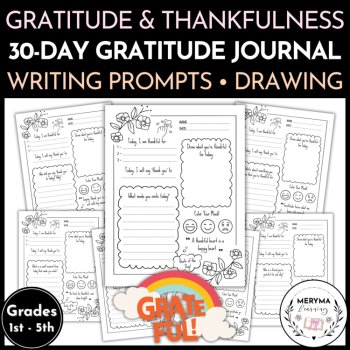
30-Day Thankfulness and Gratitude Journal Writing Prompts and Drawing Activities
$3.00

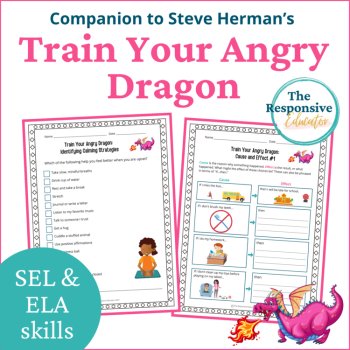
Train Your Angry Dragon Book SEL Character Education Read Aloud Activities
(5 ratings)$8.75
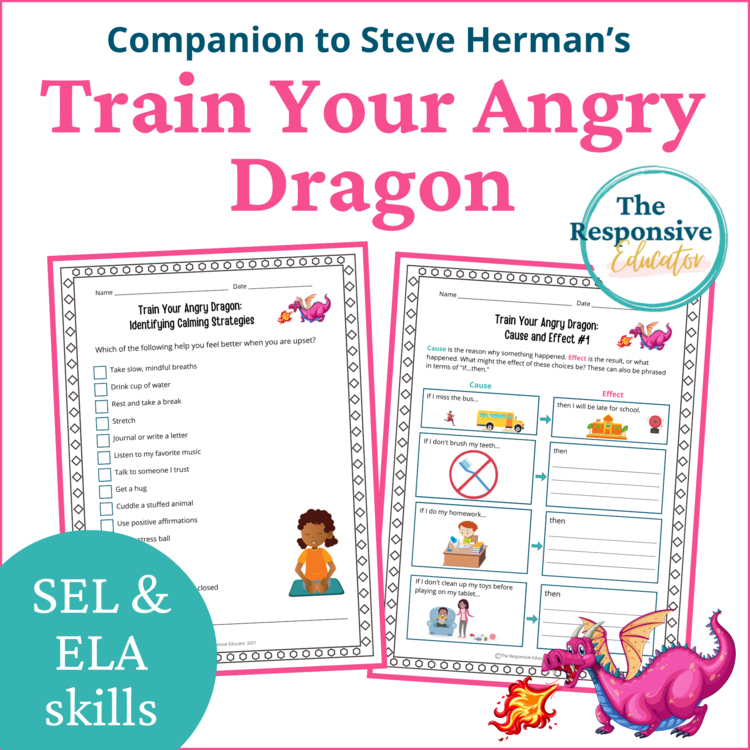
Add to cartTrain Your Angry Dragon Book SEL Character Education Read Aloud Activities is a structured companion for Train Your Angry Dragon by Steve Herman. It includes anger management worksheets & activities that help students understand anger, recognize triggers, practice regulation strategies, and make safer choices when emotions become intense.
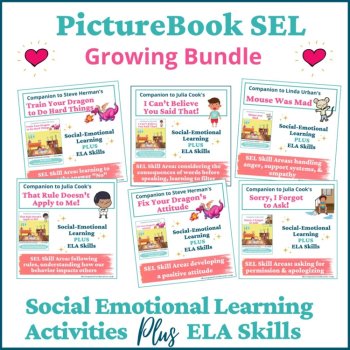
This resource is part of a growing collection of SEL read alouds that connect meaningful picture books with explicit instruction in behavior, social-emotional learning, and literacy. It can be used as an interactive read-aloud lesson, a short anger-management unit, or a flexible source of character education book activities that teachers can revisit throughout the year.
Teach Students What to Do With Anger
Anger is a normal emotion. The problem is not that a student feels angry. The concern is what happens when that feeling leads to unsafe behavior, hurtful words, damaged relationships, or an inability to return to learning.
Students are often told to calm down without receiving enough instruction in how to recognize anger early, select a useful strategy, and make a safe decision. Once a student is highly escalated, it may be too late to introduce a new skill effectively.
This resource was created to provide that instruction proactively.
Through a relatable story and structured character education read aloud activities, students explore how anger can affect thoughts, physical reactions, words, and behavior. They practice noticing anger before it takes over and choosing responses that protect safety, relationships, and learning.
Why Teachers Use This Resource
This companion helps teachers:
What’s Included
This 106-page resource includes more than 40 differentiated activities. It is intentionally designed so that you do not need to complete every page.
The range of activities allows you to:
Interactive Read-Aloud Lesson Plan
The interactive read-aloud section includes:
If you are looking for an SEL social emotional read aloud that goes beyond telling students to calm down, this resource provides the structure needed to turn the story into explicit instruction in anger regulation and decision-making.
Anger Management Worksheets & Activities
The anger management worksheets & activities help students understand what anger may look and feel like before it becomes overwhelming.
Students practice:
The activities allow students to learn and rehearse these skills while calm, making it more likely that they can access them during a difficult moment.
Emotional Regulation Strategies
Students need more than a list of calming choices. They also need help recognizing when to use a strategy, selecting one that fits the situation, and evaluating whether it worked.
The emotional regulation learning worksheets help students connect triggers, emotions, physical signals, and possible responses. Social emotional regulation learning worksheets provide structured practice with pausing and choosing a safer next step.
Teachers can select from the emotional regulation activities worksheets when students need additional practice with:
The goal is not to eliminate anger. It is to help students manage the emotion without allowing it to control their behavior.
Positive Behavior Choices
Students may not be able to stop anger from appearing, but they can learn to make positive behavior choices about what happens next.
Making choices worksheets help students compare responses such as:
Students learn that a safe choice does not mean the situation was fair or that the feeling was unimportant. It means they are choosing a response that does not create additional problems.
Choices and Consequences Activities
The choices and consequences activities help students examine how different responses to anger can lead to different outcomes.
Students consider:
This helps students understand consequences as connected outcomes rather than unrelated punishments imposed after an angry reaction.
Repairing Relationships After Anger
Even with instruction and practice, students will sometimes make poor choices while angry. Emotional regulation does not end when the student becomes calm. Students also need to learn how to take responsibility and repair harm.
Follow-up activities help students practice:
This keeps accountability connected to skill development rather than shame.
Social-Emotional Learning Skills
Students practice:
ELA Skills
The resource also includes practice with:
These activities allow teachers to reinforce literacy skills while teaching emotional regulation, self-control, and responsible decision-making.
Additional Supports
Additional materials include:
Ways to Use This Resource
Teachers can use these activities during:
About the Book
In Train Your Angry Dragon by Steve Herman, Andrew and his dragon, Diggory Doo, learn that anger is a normal emotion but must be handled in safe and respectful ways.
Through relatable situations, the story helps students examine how angry reactions affect other people and how regulation strategies can support better decisions. It provides a shared example for discussing anger without requiring students to begin by talking publicly about their own behavior.
The Bottom Line
If your students struggle with anger, frustration, or making safe choices when upset, this resource provides a structured way to teach the skills underneath those challenges.
Students learn to recognize anger, use regulation strategies, make positive behavior choices, and repair relationships after mistakes. These skills support safer behavior, stronger relationships, and greater independence in school and beyond.
Curious for More?
Explore the complete collection of SEL read alouds and book companions here. Each resource combines structured discussion, social-emotional learning, literacy practice, and differentiated follow-up activities to help students build skills they can use in real situations.
Learn More: Interactive Readalouds for SEL and Literacy Skills
Discover the power of an interactive read aloud in promoting social-emotional learning (SEL) and literacy skills in children.
Whether you’re a teacher or a caregiver, learn how an interactive read aloud can positively transform young lives with this blog post: Interactive Read Alouds: How to Use Them to Promote SEL and Literacy Skills.
Get Connected
Want to stay in the loop? I’d love for you to join my community on TPT and be the first to know about an ever-expanding collection of exceptional resources. They're all about boosting your teaching journey and empowering your elementary classroom with fantastic SEL and behavior support resources.
Earn Credits
And here's the sweet deal – with your purchase, you're not just enriching your teaching toolkit. You also have the chance to spread the love through reviews and unlock TPT credits that may be used toward more exceptional educational resources.
Report this resource to Linked Through Learning
Reported resources will be reviewed by our team. Report this resource to let us know if this resource breaks our rules.
“My students love to listen to and read stories, so it's even better when they can learn a skill while doing it! This was very well put together and easy to use!”
“Great resource thank you”
4.8
5
ratings
No reviews match. Try other filters.
No questions yet.
Meet the Seller
Behavior Support and Interventions
I provide resources that help teachers manage classroom behavior and teach social-emotional skills effectively. With over 20 years of experience in special education, I offer practical tools and strategies to support both teachers and students in achieving their best. I have been dedicated to supporting students with special needs since 2005, specializing in both behavioral and academic interventions. My extensive experience spans teaching in self-contained classrooms from grades K-12 and assisting general and special education teachers with managing significant behavioral challenges. As a former lead of an RTI committee and a behavior specialist, I have a deep understanding of effective classroom management strategies.
Florida
AI Assisted
The seller says AI was used in making this resource, but didn't add details.
$3.00
$4.00 (2)
$3.50 (1)