AI Assisted
AI Assisted
The seller says AI was used in making this resource, but didn't add details.
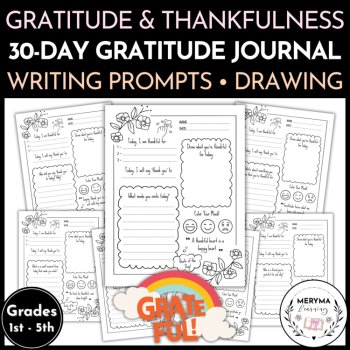
30-Day Thankfulness and Gratitude Journal Writing Prompts and Drawing Activities
$3.00

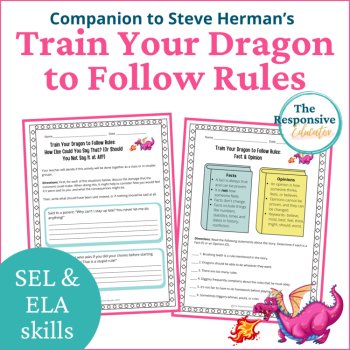
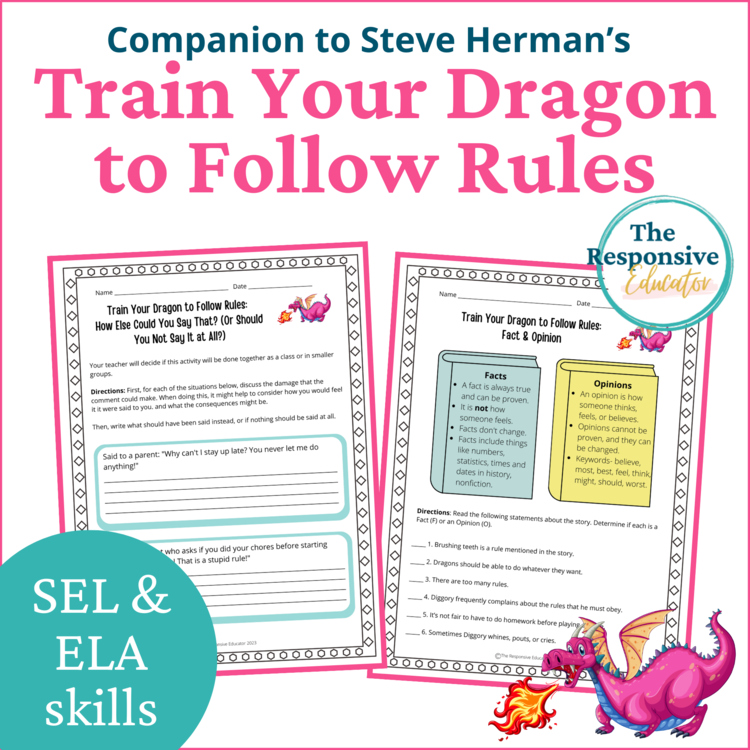
Train Your Dragon to Follow Rules Book Read Aloud Follow School Rules Activities is a structured companion for Train Your Dragon to Follow Rules by Steve Herman. Designed for students in 2nd–5th grade, it helps students understand what following rules looks like in practice, build self-control, and make responsible choices across different school situations.
The resource includes follow school rules activities, self-control worksheets, classroom scenarios, and behavior-reflection practice. Students examine why expectations exist, what can make following them difficult, and how their choices affect safety, learning, and other people.
Part of a Collection of SEL Read Alouds
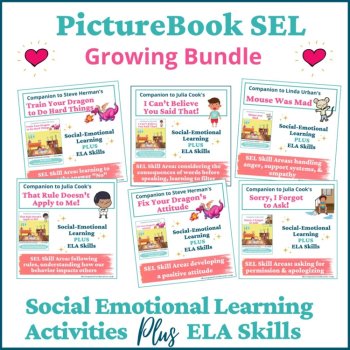
This resource is part of a growing collection of SEL read alouds that combine meaningful picture books with explicit social-emotional and literacy instruction. Each read-aloud gives students a relatable character and situation they can examine before applying the lesson to their own behavior.
These character education read aloud activities help teachers discuss school rules and expectations without focusing the lesson on one student. The accompanying character education book activities provide structured opportunities to practice listening, responding, making decisions, and reflecting on possible outcomes.
Why Knowing the Rules Is Not Always Enough
Many students can explain a classroom rule but still struggle to follow it consistently. They may act impulsively, test boundaries, forget expectations when they are excited, or make different choices depending on who is present.
Repeated reminders may stop the behavior temporarily, but reminders alone do not always teach students how to manage themselves. Students need opportunities to identify what gets in the way, recognize when they are beginning to make an impulsive choice, and practice a more effective response.
This resource was created to support that instruction.
Using an engaging picture book and guided discussion, this interactive read-aloud companion helps students move beyond simply naming classroom rules. Students consider why rules matter, what following them looks like in different settings, and how self-control supports more consistent behavior.
Why Teachers Use This Resource
This companion helps teachers:
Teach students how to follow school rules consistently
Explain the purpose behind classroom expectations
Build self-control and responsible decision-making
Provide structured practice with realistic school situations
Help students recognize what interferes with following expectations
Reduce repeated rule-breaking and boundary testing
Reinforce positive behavior choices
Connect choices with natural and logical outcomes
Strengthen accountability without relying on shame
Differentiate instruction using varied activities and ability levels
What’s Included
This 100-page resource contains more than 40 differentiated activities designed for flexible use. Teachers can select the pages that best match their students’ needs without having to complete the entire resource.
The variety allows you to:
Differentiate for student readiness and ability levels
Use the resource across several days or weeks
Assign activities during whole-group, small-group, center, or independent instruction
Revisit following rules without repeating the same task
Select targeted pages for counseling or behavior-support groups
Interactive Read-Aloud Lesson Plan
The included lesson plan provides:
Before-, during-, and after-reading questions
Structured discussion prompts
Opportunities to predict, explain, and reflect
Connections between the story and real school expectations
Guidance for discussing rules, self-control, responsibility, and consequences
Follow School Rules Activities
The follow school rules activities help students identify what appropriate behavior looks like across different settings. Students explore expectations for the classroom, hallway, playground, cafeteria, and other shared school spaces.
The activities move beyond asking students to repeat a list of rules. Students examine what each expectation protects, consider what could happen when it is ignored, and practice choosing responses that support safety, learning, and respectful relationships.
Self-Control and Consistent Behavior
Self-control worksheets help students recognize situations in which they may be tempted to act before thinking. Students identify possible triggers, notice what happens in their bodies, and consider strategies that may help them pause long enough to make a responsible decision.
Related learning self regulation activities help students understand that following rules often requires managing excitement, frustration, disappointment, or impatience. Students learn that self-control is not the absence of emotion. It is the ability to manage a response even when an expectation is difficult or inconvenient.
Choices, Consequences, and Responsibility
The choices and consequences activities help students connect their actions with likely outcomes. Rather than viewing a consequence only as something an adult gives them, students examine how their choices naturally affect learning, trust, safety, and relationships.
Positive behavior choices activities provide practice identifying alternative responses in realistic situations. Students consider what they could do when a friend encourages them to break a rule, when they disagree with an expectation, or when they realize they have already made a poor choice.
Following School Rules Worksheets
The following school rules worksheets provide structured opportunities for students to reflect on classroom expectations and apply them to new situations. Students practice explaining why a rule exists, predicting outcomes, comparing possible responses, and identifying how they could handle a similar situation in the future.
A follow rules worksheet can also be selected for targeted practice when an individual student needs support with a particular expectation. This allows teachers to address the missing skill without requiring the entire class to complete the same activity.
Social Emotional Learning Skills
Students practice:
Following rules at school
Understanding the purpose of classroom expectations
Applying rules across different settings
Responding appropriately to adult directions
Building self-control
Pausing before acting
Making responsible choices
Connecting choices with consequences
Managing disagreement or disappointment
Accepting accountability after a mistake
Developing more consistent behavior
ELA Skills
Students also practice:
Making predictions
Summarizing
Analyzing characters and their choices
Comparing and contrasting
Explaining cause and effect
Making text-to-self connections
Responding to writing prompts
Additional Supports
The resource includes:
Notes to families with strategies for reinforcing expectations at home
Real photographs to strengthen student connection and understanding
Differentiated reflection and application activities
Materials that can be revisited without repeating the same assignment
How Teachers Use This Resource
Teachers can use these character education book activities during:
Whole-group interactive read-aloud lessons
Small-group SEL or behavior instruction
School counseling groups
Centers or independent work
Behavior-support programs
Self-contained classroom instruction
Individual support for students who struggle with impulse control or consistency
About the Book
In Train Your Dragon to Follow Rules by Steve Herman, Andrew’s dragon, Diggory Doo, struggles to follow rules even though he knows what is expected. Through relatable situations and guided support, he learns how to listen, manage his actions, and make more responsible choices.
The story provides an engaging starting point for helping students understand that following rules is a skill they can practice. It also creates opportunities to discuss how self-control and responsible decision-making affect other people.
Bottom Line
If your students know classroom expectations but struggle to follow them consistently, this resource provides a structured way to teach the skills underneath that behavior.
Through SEL read alouds, follow school rules activities, self-control practice, and choices and consequences activities, students learn how to manage their actions and make more responsible decisions throughout the school day.
Curious for More?
Discover your next impactful and engaging interactive read aloud & book companion available here, each carefully crafted to ignite student growth on multiple fronts.
Learn More: Interactive Readalouds for SEL and Literacy Skills
Discover the power of an interactive read aloud in promoting social-emotional learning (SEL) and literacy skills in children.
Whether you’re a teacher or a caregiver, learn how an interactive read aloud can positively transform young lives with this blog post: Interactive Read Alouds: How to Use Them to Promote SEL and Literacy Skills.
Get Connected
Want to stay in the loop? I’d love for you to join my community on TPT and be the first to know about an ever-expanding collection of exceptional resources. They're all about boosting your teaching journey and empowering your elementary classroom with fantastic SEL and behavior support resources.
Earn Credits
And here's the sweet deal – with your purchase, you're not just enriching your teaching toolkit. You also have the chance to spread the love through reviews and unlock TPT credits that may be used toward more exceptional educational resources.
Report this resource to Linked Through Learning
Reported resources will be reviewed by our team. Report this resource to let us know if this resource breaks our rules.
No questions yet.
Meet the Seller
Behavior Support and Interventions
I provide resources that help teachers manage classroom behavior and teach social-emotional skills effectively. With over 20 years of experience in special education, I offer practical tools and strategies to support both teachers and students in achieving their best. I have been dedicated to supporting students with special needs since 2005, specializing in both behavioral and academic interventions. My extensive experience spans teaching in self-contained classrooms from grades K-12 and assisting general and special education teachers with managing significant behavioral challenges. As a former lead of an RTI committee and a behavior specialist, I have a deep understanding of effective classroom management strategies.
Florida
AI Assisted
The seller says AI was used in making this resource, but didn't add details.
$3.00
$4.00 (2)
$3.50 (1)