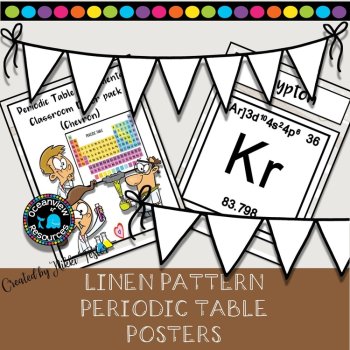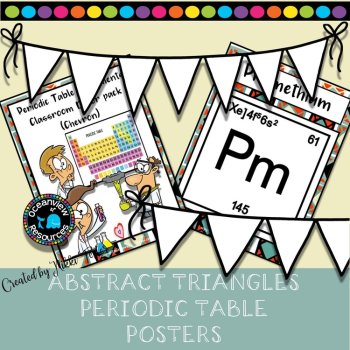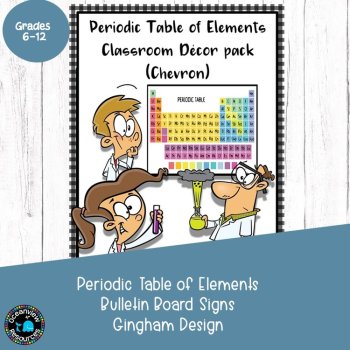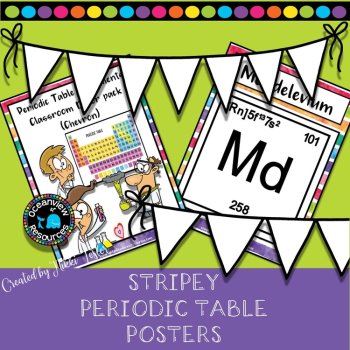
Science Posters- The Periodic Table-Brown Corduroy Design
$5.00 (1)

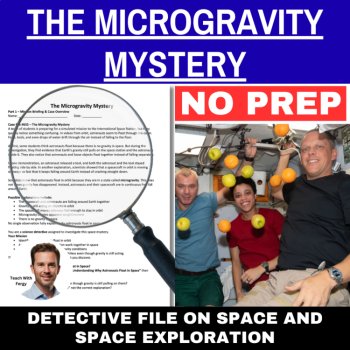
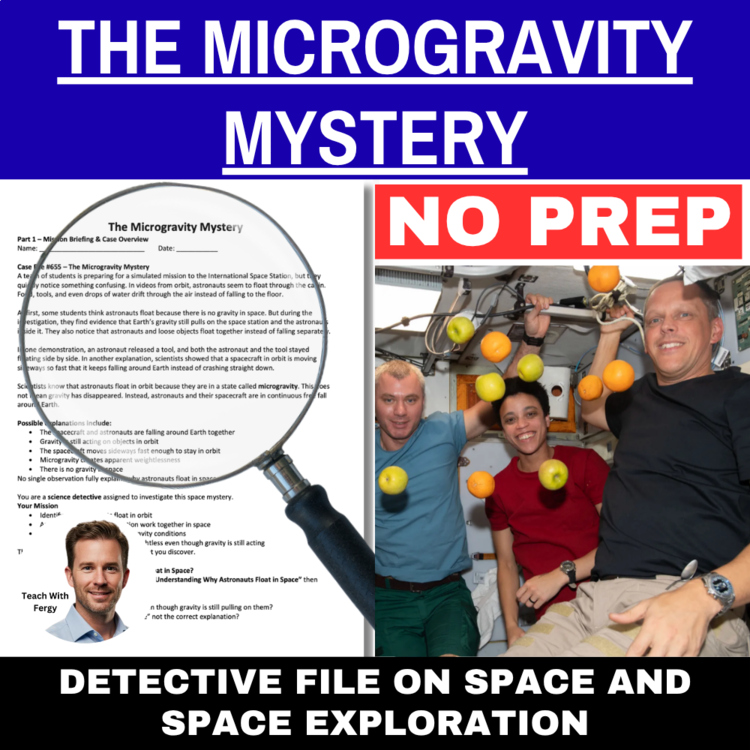
Turn your students into science detectives with this NO PREP, engaging, real-world investigation focused on why astronauts float in space. In this case file activity, students analyze evidence about gravity in orbit, free fall, sideways motion, floating tools, water behavior, astronaut movement, and the misconception that there is “no gravity in space” to solve the mystery of how microgravity works.
Instead of passively learning about orbit and weightlessness, students actively investigate, analyze patterns, and reason through the evidence to uncover how gravity and motion work together to create microgravity. This activity makes a challenging space science concept interactive, engaging, and easy to understand while strengthening critical thinking and literacy skills.
✅ NO PREP, no formatting, no issues. Simply download and go. Includes all instructions, answer key, rubric, and background reading students need to solve the case.
10-Part Activity Breakdown
Part 1 – Mission Briefing:
Students are introduced to a case involving astronauts floating inside the International Space Station and begin investigating why objects and people seem weightless in orbit.
Part 2 – Background Reading:
Students build foundational knowledge about microgravity, continuous free fall, orbit, and why “there is no gravity in space” is not the correct explanation.
Part 3 – Evidence Log:
Students examine 10 detailed evidence cards related to floating tools, gravity in orbit, orbit motion, free-fall explanation, same-rate falling, water spheres, exercise in orbit, no “up” or “down,” repeated orbit patterns, and misconception checks.
Part 4 – Suspect Ranking:
Students rank possible explanations such as astronauts and spacecraft falling around Earth together, sideways motion creating orbit, gravity still acting in orbit, microgravity creating apparent weightlessness, and the incorrect idea that there is no gravity in space, then justify their reasoning using scientific evidence.
Part 5 – Pathway Tracking:
Students trace how a spacecraft moves sideways at high speed → Earth’s gravity pulls it downward → the spacecraft and astronauts fall around Earth together → they remain in orbit → astronauts appear to float in microgravity.
Part 6 – Impact Analysis:
Students analyze how gravity still affects objects in orbit, why astronauts appear to float inside the spacecraft, and how microgravity changes daily life and work during space missions.
Part 7 – The Big Question:
Students explain why astronauts float in space using evidence about gravity, orbit, motion, and continuous free fall.
Part 8 – CER Writing:
Students construct a scientific argument using Claim–Evidence–Reasoning.
Part 9 – Solutions & Action Plan:
Students propose ways to learn more about microgravity, model orbit or free fall in the classroom, and think about how scientists and engineers help astronauts live and work safely in microgravity.
Part 10 – Reflection:
Students reflect on what surprised them and how their understanding of floating in space changed during the investigation.
What Students Will Learn
This activity blends space science, engineering, physical science, critical thinking, and literacy skills into one high-interest, structured lesson that keeps students thinking like real-world scientific investigators.
This Mystery Is Perfect for:
You can find this Mystery Activity as well as the others I have created inside my Space and Space Exploration Mystery Activity Bundle at a significant discount.
No prep, no formatting, no issues.
Simply download, print (or upload to your class site) and you're all set.
What’s Included
Why Teachers Love This Resource
Time Required
Google Classroom and Distance Learning Ready
No prep, no formatting, no issues. Simply download, print (or upload), and you're all set.
*****************************
If you have any questions please feel free to send me an email - devon@teachwithfergy.com
Report this resource to Linked Through Learning
Reported resources will be reviewed by our team. Report this resource to let us know if this resource breaks our rules.
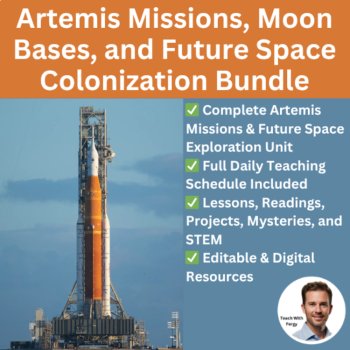 Artemis Missions, Moon Bases, and Future Space Colonization Unit Bundle
$9.97
$40.67
Save 75%
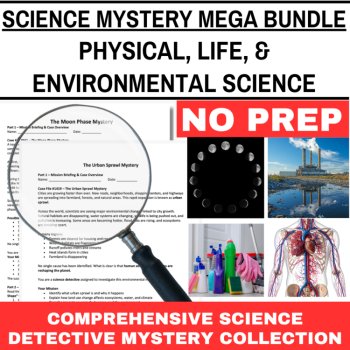 Science Detective Mystery Bundle | Chemistry, Human Body, Environmental Science
$29.97
$262.02
Save 89%
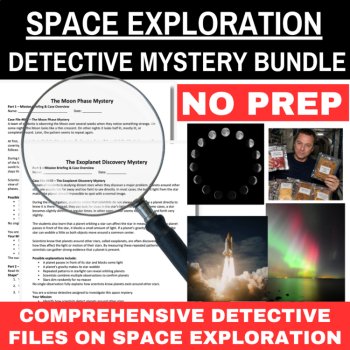 Space Exploration Detective Mystery Bundle | Astronomy Activities, Space Science
$19.97
$75.43
Save 74%
No questions yet.

Meet the Seller
Middle and High School Science Engaging Resources
I have been selling resources to middle and high school teachers for the last 15 years. During that time I've also been in the classroom so I know what works and what will help your students the most.
Canada