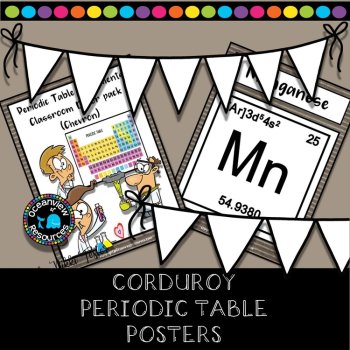
Science Posters- The Periodic Table-Brown Corduroy Design
$5.00 (1)

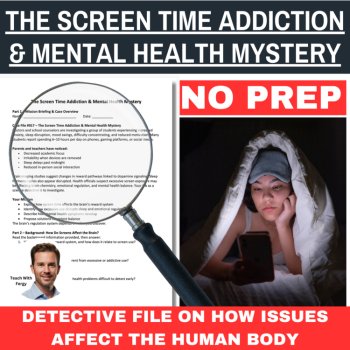
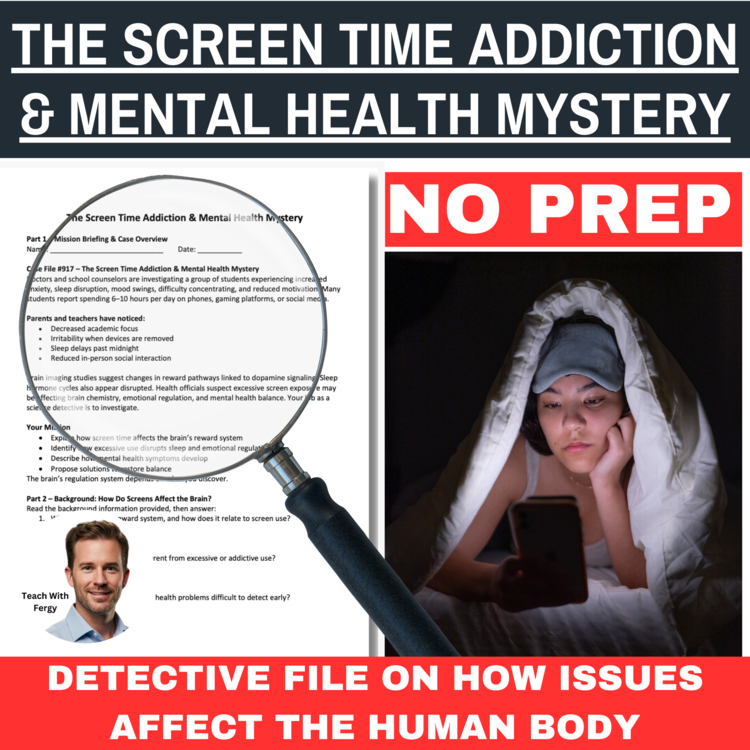
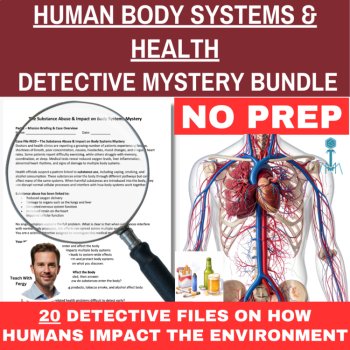
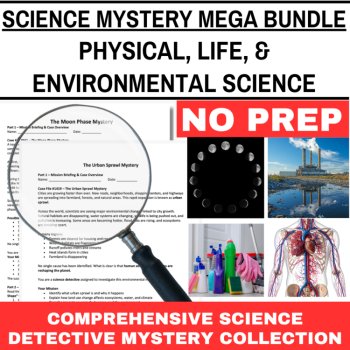
Turn your students into science detectives with this NO PREP, engaging, real-world investigation focused on screen time addiction and mental health disruption. In this case file activity, students analyze daily screen use data, examine dopamine reward responses, track sleep hormone disruption, evaluate anxiety score patterns, rank possible causes, and build a scientific case to solve the mystery of why students are experiencing increased anxiety, sleep delays, mood swings, difficulty concentrating, reduced motivation, and emotional regulation challenges.
Instead of passively reading about brain chemistry and mental health, students actively investigate, analyze patterns, and reason through the evidence to uncover how excessive screen exposure affects dopamine signaling, sleep regulation, and emotional balance. This activity makes a complex neuroscience and health topic interactive, engaging, and easy to understand while strengthening critical thinking and literacy skills.
✅ NO PREP, no formatting, no issues.
Simply download and go. Includes all instructions, answer key, rubric, and background reading students need to solve the case. This mystery is included inside my Human Body Systems & Health Mystery Activity Bundle.
10-Part Activity Breakdown
Part 1 – Mission Briefing:
Students are introduced to Case File #917 involving students with increased anxiety, sleep disruption, irritability, reduced motivation, and excessive daily screen use.
Part 2 – Background Reading:
Students build foundational knowledge about the brain’s reward system, dopamine signaling, melatonin, sleep cycles, and emotional regulation.
Part 3 – Evidence Log:
Students examine 10 detailed evidence cards related to excessive daily screen time, dopamine reward activation, melatonin suppression, delayed bedtime patterns, social comparison stress, elevated cortisol levels, reduced attention span, emotional withdrawal, decreased physical activity, and improvement after screen reduction.
Part 4 – Suspect Ranking:
Students rank possible causes of mental health imbalance (dopamine overstimulation, sleep disruption, social comparison stress, reduced physical activity, emotional regulation overload) and justify their reasoning using scientific evidence.
Part 5 – Pathway Tracking:
Students trace how screen overuse spreads from excessive exposure → brain reward system change → behavioral effect → mental health impact.
Part 6 – Impact Analysis:
Students analyze how screen overuse affects brain chemistry, sleep cycles, stress hormone levels, emotional regulation, and daily functioning.
Part 7 – The Big Question:
Students explain how excessive screen exposure developed into a serious mental health imbalance using case evidence.
Part 8 – CER Writing:
Students construct a scientific argument using Claim–Evidence–Reasoning.
Part 9 – Solutions & Action Plan:
Students propose personal, community, and medical strategies to restore mental health balance.
Part 10 – Reflection:
Students reflect on how technology habits influence sleep, mood, and emotional health.
What Students Will Learn
This activity blends life science, human biology, health science, critical thinking, and literacy skills into one high-interest, structured lesson that keeps students thinking like real public health investigators.
You can find this Mystery Activity as well as the others I have created inside my Human Body Systems & Health Mystery Activity Bundle at a significant discount.
This Mystery Is Perfect for:
No prep, no formatting, no issues.
Simply download, print (or upload to your class site) and you're all set.
What’s Included
Why Teachers Love This Resource
Time Required
The following Mystery Activities can be found inside my Human Body Systems & Health Mystery Activity Bundle.
Google Classroom and Distance Learning Ready
No prep, no formatting, no issues. Simply download, print (or upload), and you're all set.
*****************************
If you have any questions please feel free to send me an email - devon@teachwithfergy.com
Report this resource to Linked Through Learning
Reported resources will be reviewed by our team. Report this resource to let us know if this resource breaks our rules.
No questions yet.

Meet the Seller
Middle and High School Science Engaging Resources
I have been selling resources to middle and high school teachers for the last 15 years. During that time I've also been in the classroom so I know what works and what will help your students the most.
Canada