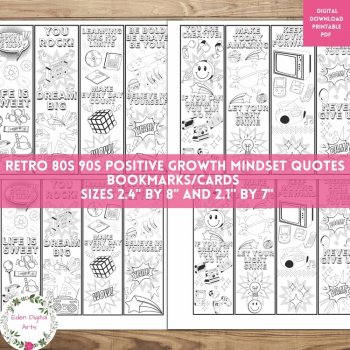

15 Retro 90s Pop Art Growth Mindset Quotes Coloring Pages Positive Class Posters

$3.89 (3)

A student may need frequent reinforcement during one part of the day, a clear way to request a break during another, and structured feedback across their schedule. Relying on one behavior tool for every situation can result in support that does not match what the student currently needs.
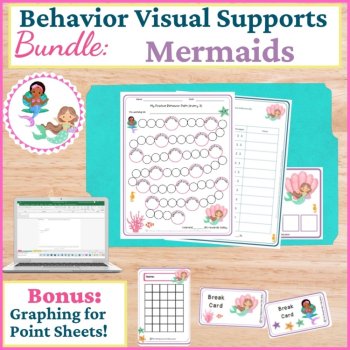
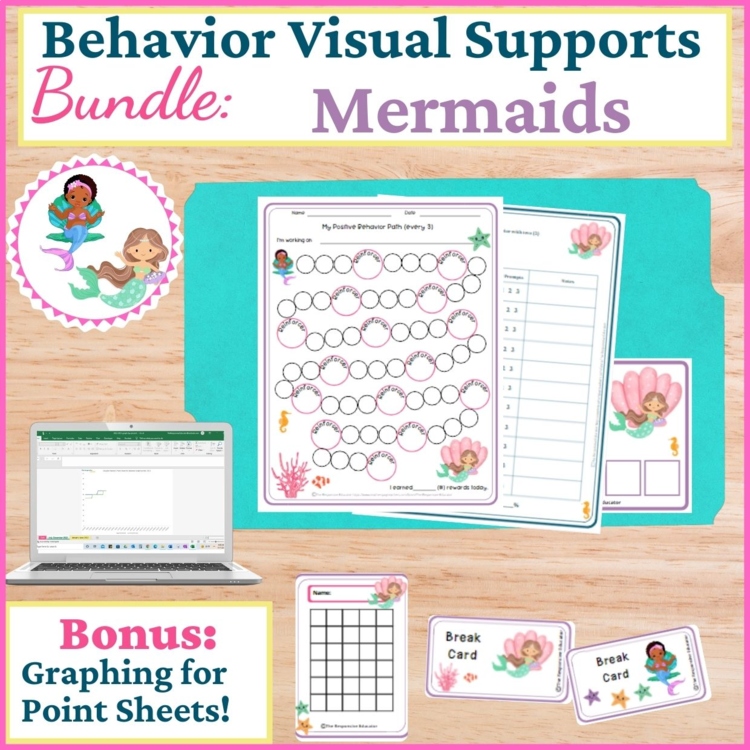
This Mermaids daily behavior support set brings together four coordinated student behavior intervention tools: a daily reward chart, behavior point sheet, token boards, and break cards. Together, these student behavior visual supports allow teachers to select the right level and type of support without introducing an entirely different system each time the student’s needs change.
Why One Behavior Tool Is Not Always Enough
Different behavior concerns require different types of support. A student learning a new behavior may need frequent reinforcement through a token board. Another student may be ready to work toward rewards after demonstrating the behavior several times. A student who becomes overwhelmed may need a clear way to request a break, while a team monitoring performance across the school day may need a behavior point sheet.
This bundle gives teachers several behavior support tools that can be used separately or as part of a coordinated intervention plan. You do not need to use every resource at the same time. Instead, select the tool that addresses the student’s current skill, communication need, or reinforcement level.
Why Choose the Bundle
A student’s needs may change as skills develop, behavior goals change, or new concerns arise. Purchasing the complete set means you have several levels and types of support available without needing to locate or create a new resource each time.
The bundle allows teachers to:
The four resources are also available individually. The bundle provides all four coordinated tools together in one purchase.
Mermaids Token Boards
The token board resource provides frequent, immediate reinforcement for students who need more support than verbal reminders or praise alone.
Two token board formats are included:
The token board resource also includes:
Teachers can adjust the target behavior and reward choices without creating an entirely new system.
Mermaids Behavior Point Sheet
The behavior point sheet provides structured feedback across the student’s daily schedule. Teachers can identify a target behavior, record performance during different activities or periods, calculate the percentage earned, and compare the result with the student’s daily goal.
Three versions are included:
Completed sheets can help teachers identify patterns, review progress with the student, communicate with families, and provide the educational team with more specific information than a general good-day or difficult-day report.
Mermaids Daily Reward Chart
The daily reward chart provides a visual path for reinforcing one clearly defined target behavior. It includes three reinforcement schedules:
Teachers can select a schedule based on how frequently the student currently needs reinforcement. The student or teacher can color the spaces, add stickers, or laminate the chart and use a dry-erase marker. A space at the bottom allows the number of rewards earned to be recorded.
Mermaids Break Cards
The break cards give students a concrete way to communicate that they need a break when making a verbal request is difficult. They can be taught as an alternative to leaving the area, shutting down, refusing a task, or engaging in disruptive behavior.
Two break card formats are included:
The break card resource also includes four coordinating 30-space sticker, star, or progress charts.
A student who is still learning to replace unsafe, disruptive, or avoidant behavior with an appropriate break request may need access to the unlimited version first. The three-break format should be introduced only when it is appropriate for the individual student.
Use the Tools as Part of a Thoughtful Support Plan
These resources are designed to support instruction, communication, reinforcement, and progress monitoring. They do not replace teaching the target behavior or determining why a behavior is occurring.
Before selecting a tool, consider what the student needs to learn or communicate:
The answer can help determine which resource is the most appropriate starting point.
Why the Theme Can Help
Choosing a theme connected to a student’s interests can make behavior support feel more personal and increase the student’s willingness to participate. The Mermaids theme does not replace direct instruction, clear expectations, or meaningful reinforcement, but it can help create initial interest and buy-in.
Because the resources coordinate, teachers can change the level or type of support while maintaining a familiar theme.
Extend the Data with Behavior Graphing
The completed behavior point sheets provide useful daily data, but graphing the student’s percentages over time can make patterns and changes easier to identify. The Point Sheet for Behavior–Graphing, available separately, includes pre-dated Excel templates for graphing points earned or daily percentages. Because the dates are already entered, teachers can begin adding student data without first creating or dating a spreadsheet.
The graphs update automatically and can be used to review progress with the student, share information with families and educational teams, and evaluate whether a behavior intervention is working. Instructions for using phase lines and trend lines are also included.
What’s Included
What “Editable” Means
The behavior point sheet includes designated fillable fields for information such as the student’s name, target behavior, and schedule. Those areas may be completed digitally or filled in by hand after printing.
The form itself is not customizable. The page layout, graphics, directions, reinforcement schedules, and other design elements cannot be moved, deleted, or changed. The reward charts, token boards, break cards, choice boards, and accompanying visuals are printable resources and are not editable.
Important Consideration
The tools in this bundle are most effective when adults agree on the target behavior, teach the student how the system works, provide reinforcement consistently, and review whether the support is helping the student build the underlying skill.
As the student becomes more independent, the frequency, type, or amount of support can be adjusted. The goal is not simply to manage behavior in the moment, but to help the student develop more effective communication, self-regulation, and participation skills over time.
Stay Connected
Follow The Responsive Educator on TPT to receive updates when new behavior and SEL resources are added.
After using the resource, you can leave a review to share your experience and earn TPT credits toward future purchases.
Report this resource to Linked Through Learning
Reported resources will be reviewed by our team. Report this resource to let us know if this resource breaks our rules.
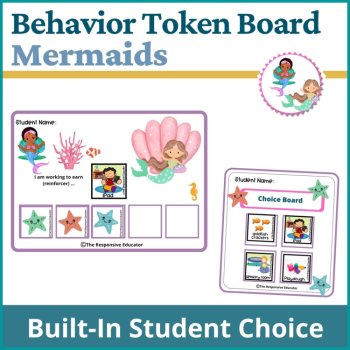
hen verbal reminders and praise are not enough, a student token board can make expectations and progress easier to understand. This Mermaids printable token board provides an individual reward system that helps a student see what they are working on, how tokens are earned, and how close they are to
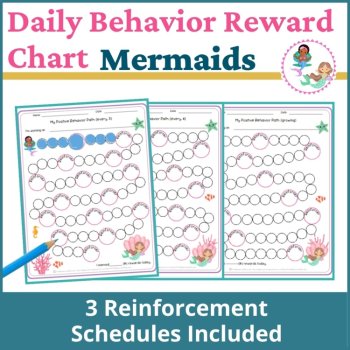
A student may understand the expected behavior but still need feedback and reinforcement more frequently than a traditional end-of-day chart provides. When the goal feels too far away or reinforcement is given inconsistently, it can be difficult for the student to connect their behavior with the out
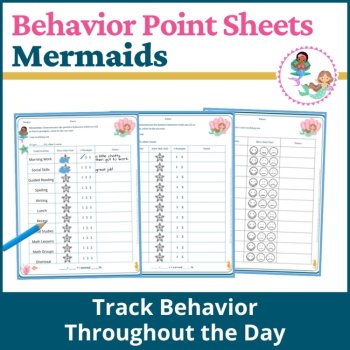
Student behavior can change across activities and times of day. This Mermaids student behavior point sheet gives teachers a consistent way to track daily behavior data, provide feedback, and measure progress toward a daily behavior goal.When feedback is given inconsistently or recorded only at the e
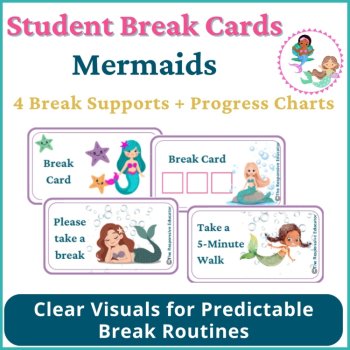
When a student becomes overwhelmed but cannot clearly ask for help, frustration, avoidance, shutting down, or challenging behavior may follow. These Mermaids Student Break Cards provide clear classroom visuals that can be used as part of an explicitly taught routine for requesting support, taking an
No questions yet.
Meet the Seller
Behavior Support and Interventions
I provide resources that help teachers manage classroom behavior and teach social-emotional skills effectively. With over 20 years of experience in special education, I offer practical tools and strategies to support both teachers and students in achieving their best. I have been dedicated to supporting students with special needs since 2005, specializing in both behavioral and academic interventions. My extensive experience spans teaching in self-contained classrooms from grades K-12 and assisting general and special education teachers with managing significant behavioral challenges. As a former lead of an RTI committee and a behavior specialist, I have a deep understanding of effective classroom management strategies.
Florida