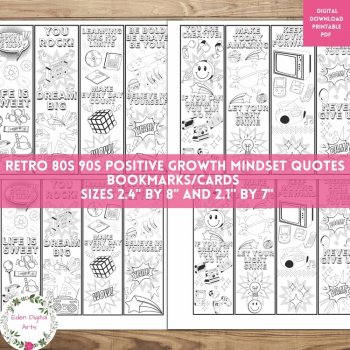

15 Retro 90s Pop Art Growth Mindset Quotes Coloring Pages Positive Class Posters

$3.89 (3)

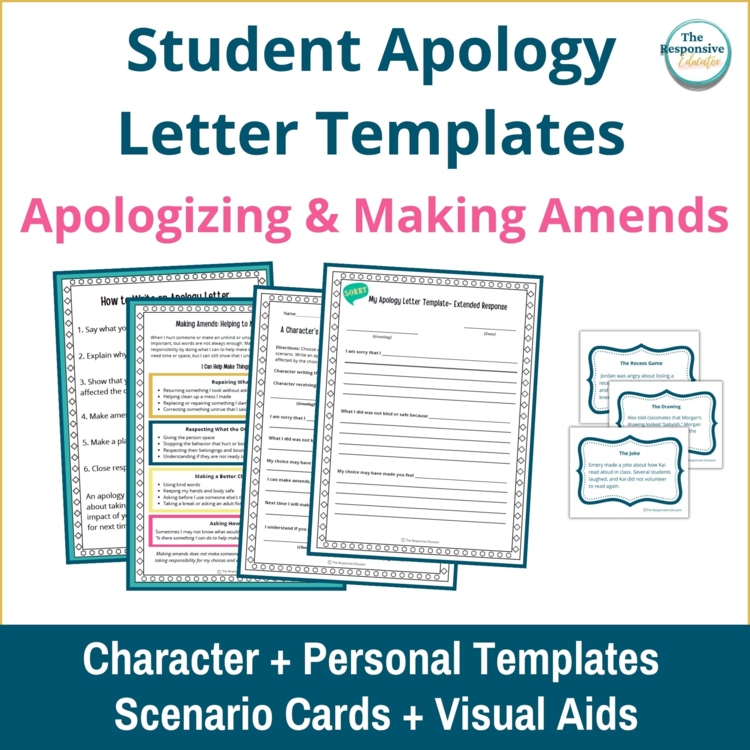
When a student has hurt someone or made an unkind or unsafe choice, teachers often need more than a quick “say sorry” response. A student apology letter can be helpful, but only when students understand what they are taking responsibility for, how their choice may have affected someone else, and what they can do differently next time.
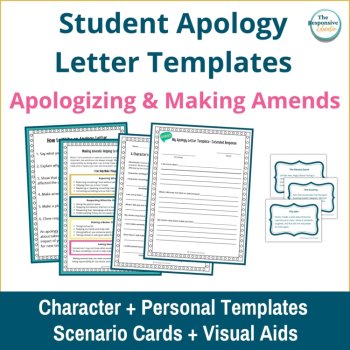
These Student Apology Letter Templates give teachers a structured way to teach those skills. Rather than handing a student an apology worksheet immediately after a conflict, this resource helps students learn the parts of a genuine apology, practice through neutral stories and scenarios, and use personal templates when writing would be helpful.
A meaningful apology is more than words. Students learn to explain what happened, understand the impact of their choices, make amends when they can, and make a better plan for next time. They also learn that an apology does not make another person forgive them or feel better right away.
Teach Students How to Write an Apology Letter
Use the visual aids and student-friendly examples to teach students how to write an apology letter that includes more than a quick “I’m sorry.”
Students practice how to:
More Than an Apology Worksheet
Many apology activities focus only on the final letter. I designed this resource to teach the skill before expecting students to use it in a personal situation.
Students can practice with characters from any story or with realistic apology scenarios first. This gives them a lower-pressure way to practice perspective taking, identify the impact of a choice, and think about what making amends could look like.
Later, when a student is calm and ready to reflect on a personal situation, teachers can choose a personal template with the level of support that fits that student.
The Making Amends visual also helps students think beyond the letter itself. Sometimes making things right means returning an item, repairing what they can, giving someone space, respecting boundaries, or changing a repeated behavior.
What’s Included
This 23-page resource includes 3 printable PDF files:
Character Apology Letter Templates
Use these with any story, read-aloud, or scenario.
Personal Apology Letter Templates
Use these when a student is calm enough to reflect on a personal situation and writing would be helpful.
Apology Scenarios
Ways to Use This Resource
These taking responsibility activities work well for whole-class SEL lessons, read-aloud follow-up, school counseling, social-skills groups, behavior intervention, and restorative practice activities. Use the scenario cards to guide a class discussion, have students write from a character’s point of view after a story, or keep the personal templates available for students who want a respectful way to take responsibility independently.
I would not require students to write or deliver a letter while they are still upset or focused on defending themselves. The goal is not to get a student to complete a form. The goal is to teach students how to think through the impact of a choice, take responsibility, and work toward a better response next time.
Report this resource to Linked Through Learning
Reported resources will be reviewed by our team. Report this resource to let us know if this resource breaks our rules.
No questions yet.
Meet the Seller
Behavior Support and Interventions
I provide resources that help teachers manage classroom behavior and teach social-emotional skills effectively. With over 20 years of experience in special education, I offer practical tools and strategies to support both teachers and students in achieving their best. I have been dedicated to supporting students with special needs since 2005, specializing in both behavioral and academic interventions. My extensive experience spans teaching in self-contained classrooms from grades K-12 and assisting general and special education teachers with managing significant behavioral challenges. As a former lead of an RTI committee and a behavior specialist, I have a deep understanding of effective classroom management strategies.
Florida