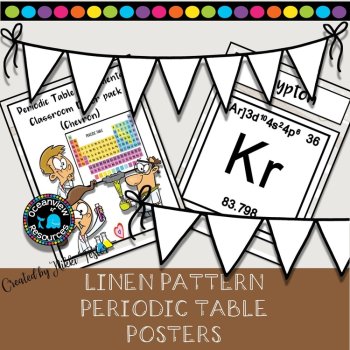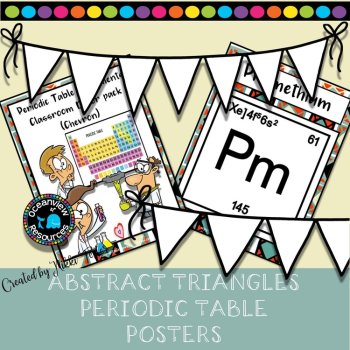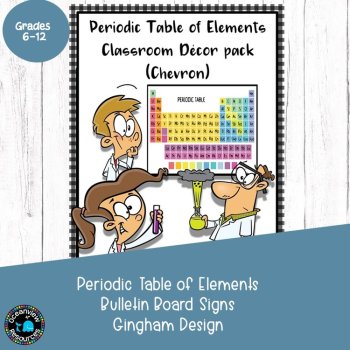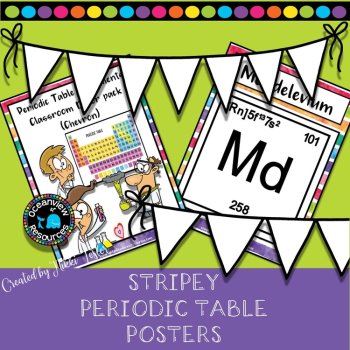
Science Posters- The Periodic Table-Brown Corduroy Design
$5.00 (1)

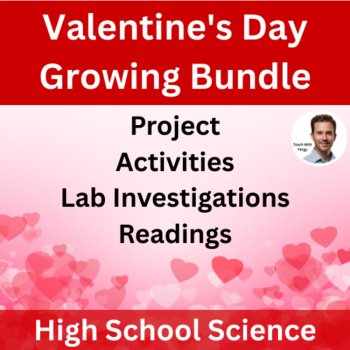
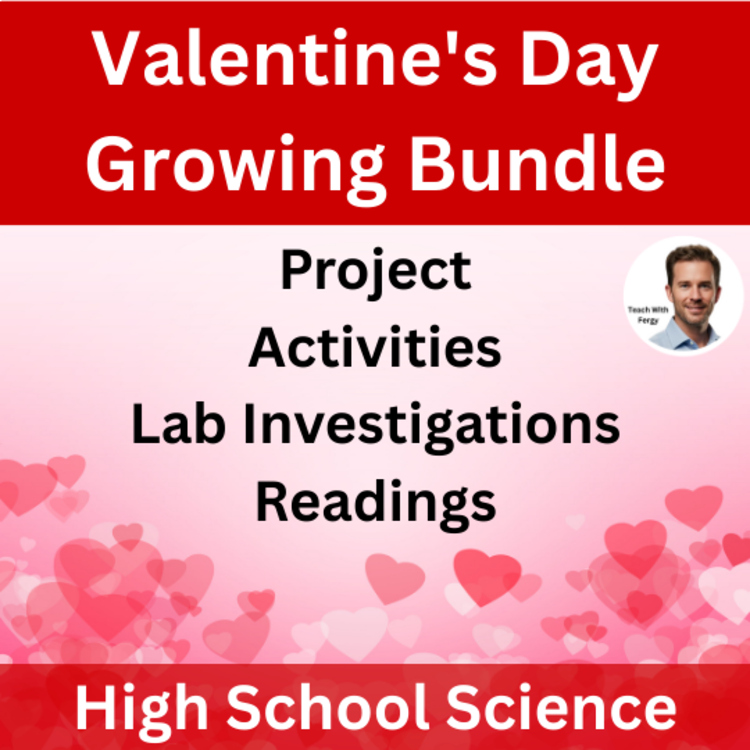
Make February meaningful (and academically rigorous) with hands‑on, low‑prep Valentine’s Day science for grades 9‑12. This bundle combines lab investigations, in‑depth readings, themed activities, and a project that ties core high‑school science concepts—density, gas production, bond energy, phase changes, calorimetry, ecosystems and animal behaviour—to familiar Valentine’s themes like chocolate, candy, bonding and flowers. You get seasonal engagement without sacrificing real science.
Why Students Are Engaged
Activities Included in This Bundle
Why Teachers Love This Bundle
High‑School NGSS Connections
Classroom Tip
Begin with the Lava Lamp investigation to introduce density, gas production and reaction kinetics. Follow with Candy Chemistry and Calorimetry to deepen understanding of energy transfer and stoichiometry. Use the Chemistry of Candy and Chocolate readings to explore molecular structure and phase changes. Incorporate the Love in the Animal Kingdom reading to connect life science. Conclude with the Flower Ecology Project, where students integrate ecology and human impact into a culminating design challenge.
Report this resource to Linked Through Learning
Reported resources will be reviewed by our team. Report this resource to let us know if this resource breaks our rules.
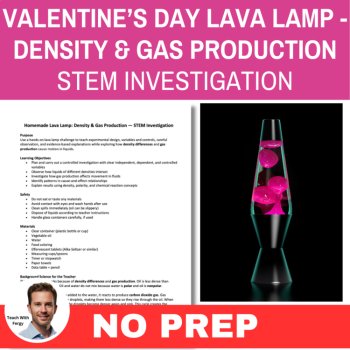
Students will investigate density, polarity, and gas production through a Valentine’s Day–themed lava lamp investigation. Using oil, water, food coloring in Valentine colors, and heart-themed effervescent tablets, students explore how chemical reactions can make liquids move in surprising ways—perfe
Valentine's Day - Themed Science ActivitiesIntroducing the "Valentine's Day Science Pack," an innovative collection of themed activities designed to engage middle school students in exploring a range of scientific concepts through the lens of Valentine's Day. This unique activity pack offers a sweet

Love in the Animal Kingdom is a fascinating and engaging biology topic that helps students explore how many animals form strong pair bonds, cooperate with mates, and raise offspring together. This Reading Comprehension Passage and Questions introduces students to the science behind animal “love,” sh
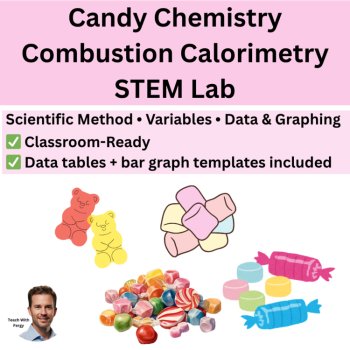
Turn everyday candy into a rigorous calorimetry and energy conservation investigation. Students burn a small candy sample under a soda-can calorimeter, measure the water’s temperature change, calculate q = m·c·ΔT, and estimate energy per gram (J/g and kcal/g)—then deduce from evidence which candy ha
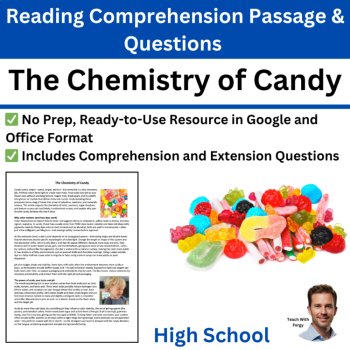
The Chemistry of Candy Reading Comprehension Passage and Questions - This article explains how chemistry shapes every aspect of candy—from the colors created by dyes and the tang of acids to the structure, texture, and reactions of sugars—revealing how science transforms simple ingredients into swee
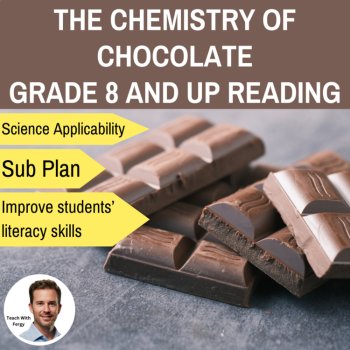
The Chemistry of Chocolate: Why It Melts in Your Mouth Reading Comprehension Passage and Questions. The Chemistry of Chocolate is a high-interest chemistry topic that helps students explore how particle motion, energy, and phase changes explain a familiar everyday experience—chocolate melting as we
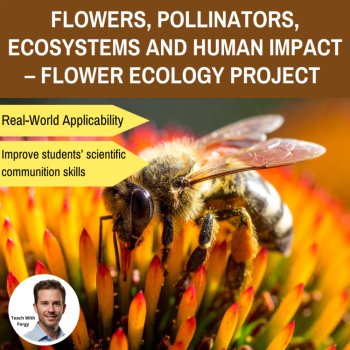
In this project, your students will explore how flowering plants depend on pollinators and healthy ecosystems, and how human activities affect the survival of pollinators and the plants—and foods—people rely on every day. Students will investigate how pollination works, why pollinators are essential
No questions yet.

Meet the Seller
Middle and High School Science Engaging Resources
I have been selling resources to middle and high school teachers for the last 15 years. During that time I've also been in the classroom so I know what works and what will help your students the most.
Canada

AI Assisted
I develop the ideas, plan the activities, and guide the creation of all resources. AI tools assist with writing, illustrations, and design. Every resource is reviewed, edited, and refined using my teaching experience to ensure quality, accuracy, and meaningful real-world learning.
$6.38 $7.98