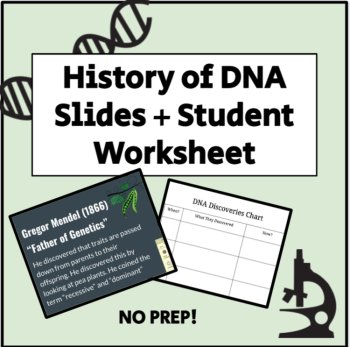
History of DNA Slides + Student Worksheet
 Ms Kiaras Science Teacher Shoppe
$4.00

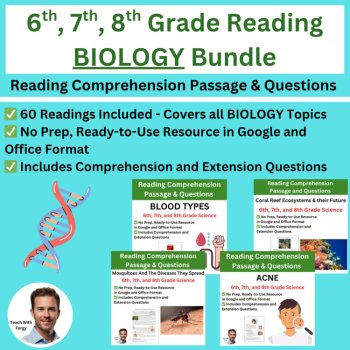
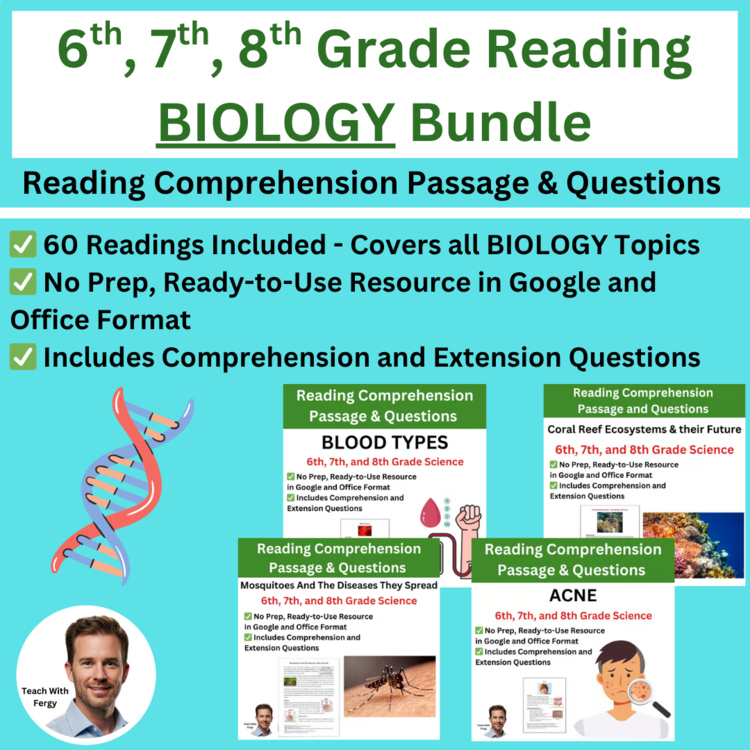
Biology 6th, 7th, 8th Grade Reading Comprehension & Questions 60 Article Bundle
$165.00 $65.62
Get BundleReading Comprehension Passage & Questions 6th, 7th, 8th - BIOLOGY - This resource contains 60 reading comprehension articles for students in grades 6, 7, and 8 as well as older students with lower developed learning levels. This bundle will save you 60% vs. purchasing the resources individually.
If you would like to save even more money, check out my 6th, 7th, 8th Grade Reading Comprehension & Question MEGA Bundle which includes 105 Articles. CLICK HERE to have a look.
Tackle literacy and science by having your students read and answer questions from a scientific article. Questions include knowledge (direct from the paper), thinking, connecting, application, and open-ended varieties.
✅ Clear, Student-Friendly Content - Helps students explore current BIOLOGY topics and applications using accessible language and relevant examples
✅ No Prep, Ready-to-Use – Print or assign digitally with Google Docs, Microsoft Word, and PDF formats for seamless classroom use.
✅ Supports Critical Thinking – Includes a variety of question types, from factual recall to deeper analysis and open-ended responses.
✅ Perfect for Grades 6-8 & Differentiation – Designed for middle school students and older learners needing additional reading support.
These resources are fully editable for your convenience and include:
Biology
• Genetically Modified Organisms
• Twins - Identical and Fraternal
• The Importance of Bats
• Predator-Prey Relationship
Health and Wellbeing
• Concussions
• The Common Cold
• Allergies
• Cancer
• Viruses
• The Cardiovascular System
• Vaccines
• Blood Types
• The Nervous System
• Asthma and Asthma Attacks
• Acne
• Immune System – Your Body’s Police Force
• Fracking and Its Dangers
• The Measles
• Stem Cells
• The Flu
• How Protective Equipment Keeps You Safe
• Caffeine: The Elixir of Energy
• Exercise and its Importance for Health
• Smallpox
• HIV and AIDS
• Polio
• Effects of stress on the brain
• Pesticides
• Whooping Cough
• Genetics and Gene Therapy
• Down Syndrome
• Cystic Fibrosis
• Heart Disease
• Heart Attack and Stroke
• Multiple Sclerosis
• Laser Eye Surgery
• Muscle Growth
• Diabetes
• Coronavirus and COVID-19
Ecology
• Biomes
• Invasive Species
• Urban Sprawl
• Food Webs
• Why Leaves Change Color In The Fall
• The Effects of Pollution
• Endangered Species
• Animal Adaptations
• Biodiversity
• The Water Cycle
• The Seasons and What Causes Them
• Nocturnal Animals
• Oil Spills and Their Consequences
• Farming – Is Organic Really Better?
• Why Bees Are Important
• Bioaccumulation and Biomagnification
• Ecosystems
• Mosquitoes And The Diseases They Spread
• Predator-Prey Relationship
• Physical Adaptations
• Watersheds
• Species Extinction
The Problem You Face - Not having the time to properly teach scientific literacy (disciplinary literacy) or improve your student's reading comprehension and analysis skills.
The Solution
This fully editable, NO PREP reading comprehension article is composed of relevant, applicable, and engaging reading activities that can be used to:
• introduce your topic
• improve your student's reading comprehension and scientific literacy skills
• improve your students' analysis skills
• provide an extension activity to students who move at a faster pace
• provide extra credit to students in need
• measure your student's literacy skills
Furthermore, this resource works very well as an emergency substitute plan as it will keep your students on task and focused while you are away.
This resource will take your students between 50-75 minutes to complete and includes some open-ended questions. An answer key is also included for your reference.
---------------------------------------------
Praise For My Reading Comprehension Resources:
"Perfect for informational text reading standards! Thanks!"
"I teach middle school science and need to include informational text in my classroom. These readings are great for independent reading for my grade level and upper-level readers. The articles address CCSS.ELA-Literacy.RST.6-8.1 (Citing specific textual evidence to support analysis of science and technical texts.) and CCSS.ELA-Literacy.RST.6-8.10 (By the end of grade 8, read and comprehend science/technical texts in the grades 6-8 text complexity band independently and proficiently.). The leveled questions allow you to subtly assign the questions to different ability students working in a group.
Topics are relevant to the students and current. Graphics draw the students into the article.
I'm going to have one printed and waiting in for my substitute folder too!
THANKS!"
"Thanks for putting together a wonderful resource."
"I teach Special Education high school science in Maryland in a special school for children with learning disabilities/Autism. I liked the readings and I think students could relate to the topics. I know these are too high a reading level for most of my students and I would read it out loud and highlight the important information together. I would not be able to use the higher order thinking questions (which I like) with these kids. For my high students (very few of these in my school :), I really like these especially how you noted where you got the information which if they were inclined, they could go back to the original source. I like that you have scaffolded the questions and I would only be able to use these with a handful of students, but I think in a regular high school classroom (I spent many years in regular ed) these are spot on. Thank you for sharing."
----------------------------------------------------------------------------------------------
How this product will help your students:
- Improve their scientific and disciplinary literacy skills
- Improve their reading comprehension and scientific knowledge
- Give them insights into important scientific concepts
- Provide an extension activity for your faster-moving/more gifted students
How this product will help you:
- Allow you to meet the NGSS, TEKS, and Common Core Standards
- Provide you with a concise introduction to your topic
- Provide you with an engaging and easy-to-leave substitute plan that will keep your students engaged and on task
- Prove you a means of measuring your students' literacy skills
We don't spend enough time teaching scientific literacy to our students. This is either because we don't have the resources to do so effectively or we don't have the time. However, teaching our students to become scientifically literate is vital if we want them to succeed in life. We need them to know about the world they live in and about the issues they face. Even issues as simple as the common cold are misunderstood and can lead to the misuse of antibacterial drugs eventually rendering them ineffective.
It can be used as a tool in your teaching arsenal on a regular basis, an extension activity for your faster learners, left for a substitute in an emergency or planned absence or as an extra bit of information for a topic.
Report this resource to Linked Through Learning
Reported resources will be reviewed by our team. Report this resource to let us know if this resource breaks our rules.
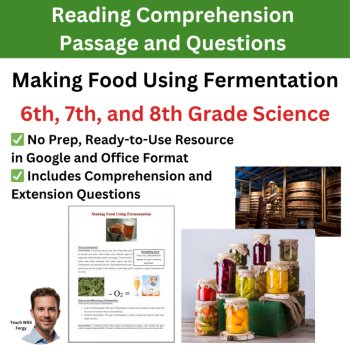
Tackle literacy and science by having your students read and answer questions from a scientific article about Making Food Using Fermentation. Questions include knowledge (direct from the paper), thinking, connecting, application, and open-ended varieties.The reading looks at:- What is fermentation?-
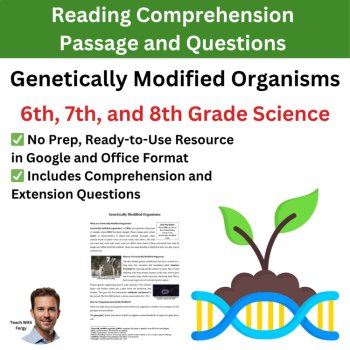
Tackle literacy and science by having your students read and answer questions from a scientific article about Genetically Modified Organisms. Questions include knowledge (direct from the paper), thinking, connecting, application, and open-ended varieties.The reading looks at:- What are genetically m
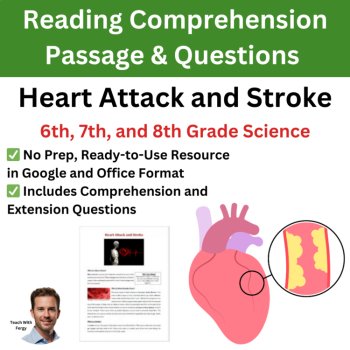
Tackle literacy and science by having your students read and answer questions from a scientific article about Heart Attack and Stroke. Questions include knowledge (direct from the paper), thinking, connecting, application, and open-ended varieties.The reading looks at:- What is a heart attack?- Why
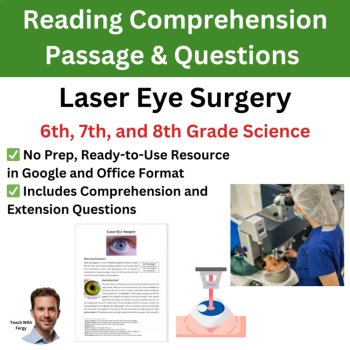
Tackle literacy and science by having your students read and answer questions from a scientific article about Laser Eye Surgery. Questions include knowledge (direct from the paper), thinking, connecting, application, and open-ended varieties.The reading looks at:- What is laser eye surgery?- How do
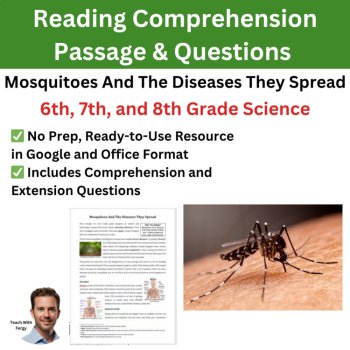
Tackle literacy and science by having your students read and answer questions from a scientific article about Mosquitoes and the Disease They Spread. Questions include knowledge (direct from the paper), thinking, connecting, application, and open-ended varieties.The reading looks at:- Infectious dis
Tackle literacy and science by having your students read and answer questions from a scientific article about ACNE. Questions include knowledge (direct from the paper), thinking, connecting, application, and open-ended varieties.The reading looks at:What is acne?What are the different kinds of acne?
Tackle literacy and science by having your students read and answer questions from a scientific article about Allergies. Questions include knowledge (direct from the paper), thinking, connecting, application, and open-ended varieties. The reading looks atWhat are allergies?SymptomsExamples of allerg
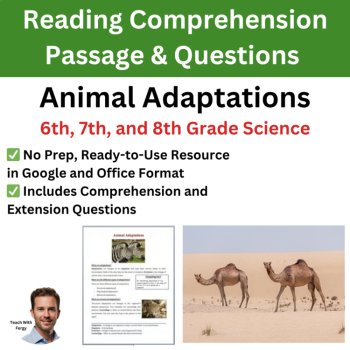
Tackle literacy and science by having your students read and answer questions from a scientific article about Animal Adaptations. Questions include knowledge (direct from the paper), thinking, connecting, application, and open-ended varieties.The Reading Looks at:- What are adaptations- The differen
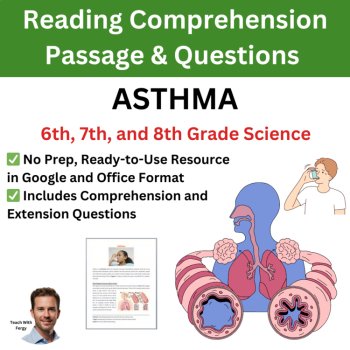
Tackle literacy and science by having your students read and answer questions from a scientific article about Asthma. Questions include knowledge (direct from the paper), thinking, connecting, application, and open-ended varieties.The reading looks at:What happens during an asthma attack?How to Avoi
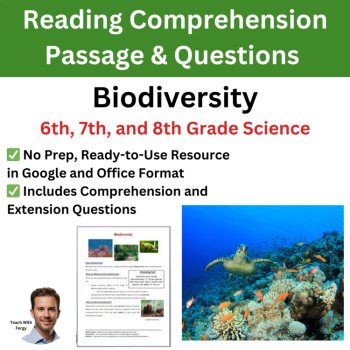
Tackle literacy and science by having your students read and answer questions from a scientific article about Biodiversity. Questions include knowledge (direct from the paper), thinking, connecting, application, and open-ended varieties.The Reading Looks at:- What is biodiversity- The effects of bio
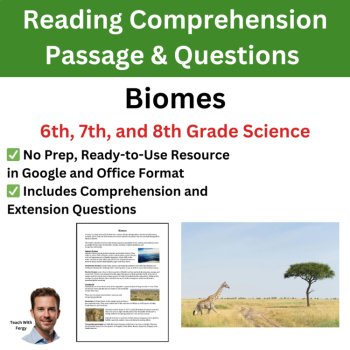
Tackle literacy and science by having your students read and answer questions from a scientific article about Biomes. Questions include knowledge (direct from the paper), thinking, connecting, application, and open-ended varieties.The reading looks at:The 5 Major Biomes and their Sub BiomesAquaticFr
Tackle literacy and science by having your students read and answer questions from a scientific article about Blood Types. Questions include knowledge (direct from the paper), thinking, connecting, application, and open-ended varieties.This resource covers the following topics:What is bloodWhat are
Tackle literacy and science by having your students read and answer questions from a scientific article about Caffeine. Questions include knowledge (direct from the paper), thinking, connecting, application, and open-ended varieties.This resource covers the following topics:What is caffeine? Without
Tackle literacy and science by having your students read and answer questions from a scientific article about Cancer. Questions include knowledge (direct from the paper), thinking, connecting, application, and open-ended varieties. The reading looks at:What is cancer?Types of tumorsWhat causes cance
Tackle literacy and science by having your students read and answer questions from a scientific article about Concussions. Questions include knowledge (direct from the paper), thinking, connecting, application, and open-ended varieties. The reading looks at:What is a concussion?Signs and symptomsTre
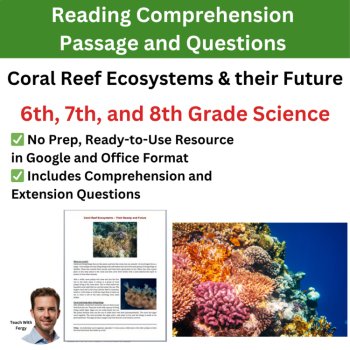
Tackle literacy and science by having your students read and answer questions from a scientific article about Coral Reef Ecosystems and their Future. Questions include knowledge (direct from the paper), thinking, connecting, application, and open-ended varieties.The reading looks at:- What are coral
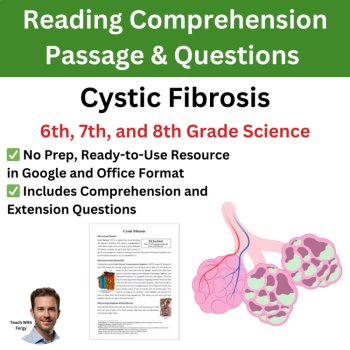
Tackle literacy and science by having your students read and answer questions from a scientific article about Cystic Fibrosis. Questions include knowledge (direct from the paper), thinking, connecting, application, and open-ended varieties.The reading looks at:What is cystic fibrosis?What causes cys
Tackle literacy and science by having your students read and answer questions from a scientific article about Diabetes. Questions include knowledge (direct from the paper), thinking, connecting, application, and open-ended varieties.The reading looks at:- What is diabetes mellitus?- What are the dif
Tackle literacy and science by having your students read and answer questions from a scientific article about Down Syndrome. Questions include knowledge (direct from the paper), thinking, connecting, application, and open-ended varieties.The reading looks at:What Down syndrome isWhat causes Down syn
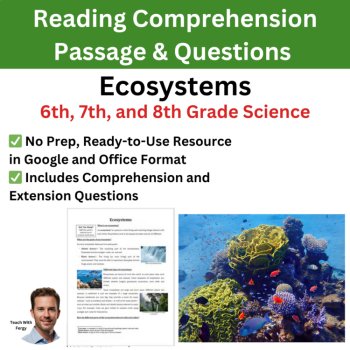
Tackle literacy and science by having your students read and answer questions from a scientific article about Ecosystems. Questions include knowledge (direct from the paper), thinking, connecting, application, and open-ended varieties.The reading looks at:- What is an ecosystem?- What are the parts
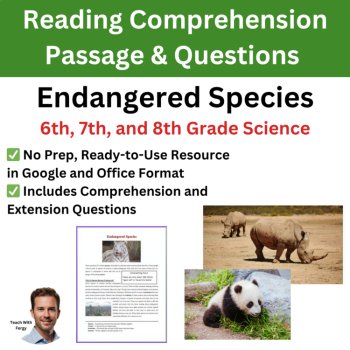
Tackle literacy and science by having your students read and answer questions from a scientific article about Endangered Species. Questions include knowledge (direct from the paper), thinking, connecting, application, and open-ended varieties.The Reading Looks at:- Why Do Species Become Endangered?-
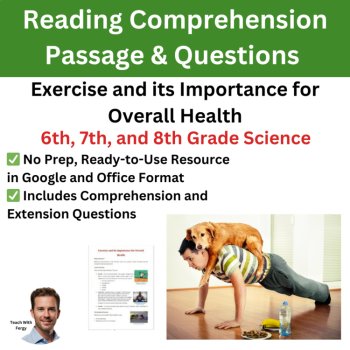
Tackle literacy and science by having your students read and answer questions from a scientific article about Exercise and it's Importance for Your Health. Questions include knowledge (direct from the paper), thinking, connecting, application, and open-ended varieties.The reading looks at:What exerc
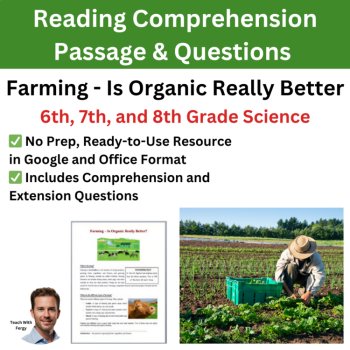
Tackle literacy and science by having your students read and answer questions from a scientific article about Farming and answering the question, Is Organic Really Better? Questions include knowledge (direct from the paper), thinking, connecting, application, and open-ended varieties.The Reading Loo
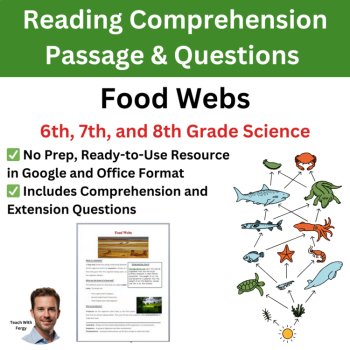
Tackle literacy and science by having your students read and answer questions from a scientific article about Food Webs. Questions include knowledge (direct from the paper), thinking, connecting, application, and open-ended varieties.The reading looks at:- What is a food web?- The levels of a food w
Tackle literacy and science by having your students read and answer questions from a scientific article about Genetics & Gene Therapy. Questions include knowledge (direct from the paper), thinking, connecting, application, and open-ended varieties.The reading looks at:Genetics DNA, genes, and he
Tackle literacy and science by having your students read and answer questions from a scientific article about Heart Disease. Questions include knowledge (direct from the paper), thinking, connecting, application, and open-ended varieties.The reading looks at:What heart disease isCauses of heart dise
Tackle literacy and science by having your students read and answer questions from a scientific article about HIV and AIDS – Causes, Stages, Spread, and Treatment. Questions include knowledge (direct from the paper), thinking, connecting, application, and open-ended varieties.The reading looks at:Wh
Tackle literacy and science by having your students read and answer questions from a scientific article about THE IMMUNE SYSTEM. Questions include knowledge (direct from the paper), thinking, connecting, application, and open-ended varieties.The reading looks at:What is the immune system?What are th
Tackle literacy and science by having your students read and answer questions from a scientific article about Invasive Species. Questions include knowledge (direct from the paper), thinking, connecting, application, and open-ended varieties.The reading looks at:- What is an invasive species?- How do
Tackle literacy and science by having your students read and answer questions from a scientific article about Multiple Sclerosis. Questions include knowledge (direct from the paper), thinking, connecting, application, and open-ended varieties.The reading looks at:What is multiple sclerosis?What are
Tackle literacy and science by having your students read and answer questions from a scientific article about Muscle Growth. Questions include knowledge (direct from the paper), thinking, connecting, application, and open-ended varieties.The reading looks at:- What is muscle growth?- Things that aff
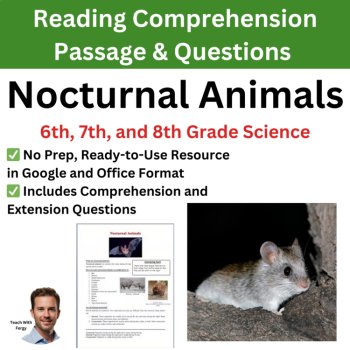
Tackle literacy and science by having your students read and answer questions from a scientific article about Nocturnal Animals. Questions include knowledge (direct from the paper), thinking, connecting, application, and open-ended varieties.The Reading Looks at:- What are nocturnal animals?- Common
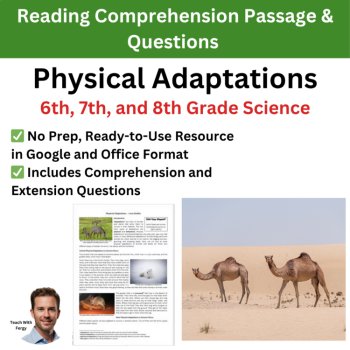
Tackle literacy and science by having your students read and answer questions from a scientific article about Physical Adaptations. Questions include knowledge (direct from the paper), thinking, connecting, application, and open-ended varieties.The Reading Looks at:- Animal Physical Adaptations in E
Tackle literacy and science by having your students read and answer questions from a scientific article about Polio. Questions include knowledge (direct from the paper), thinking, connecting, application, and open-ended varieties.The reading looks at:What is polio?History of polioSigns and symptomsH
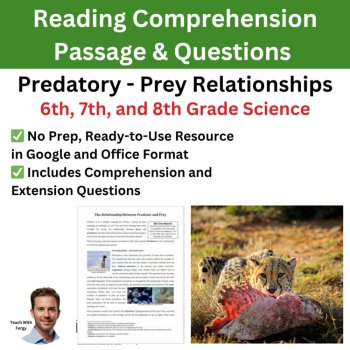
Tackle literacy and science by having your students read and answer questions from a scientific article about Predator Prey Relationships. Questions include knowledge (direct from the paper), thinking, connecting, application, and open-ended varieties.The reading looks at:- Prey and predators- Preda
Tackle literacy and science by having your students read and answer questions from a scientific article about Smallpox. Questions include knowledge (direct from the paper), thinking, connecting, application, and open-ended varieties.This resource covers the following topics:What smallpox isThe histo
Tackle literacy and science by having your students read and answer questions from a scientific article about Species Extinction. Questions include knowledge (direct from the paper), thinking, connecting, application, and open-ended varieties.This resource covers the following topics:- What species
Tackle literacy and science by having your students read and answer questions from a scientific article about Stem Cells. Questions include knowledge (direct from the paper), thinking, connecting, application, and open-ended varieties.The reading looks at:Introduction: What Is Stem Cell Therapy?How
Tackle literacy and science by having your students read and answer questions from a scientific article about The Common Cold. Questions include knowledge (direct from the paper), thinking, connecting, application, and open-ended varieties.The reading looks at:What is the common cold?What causes the
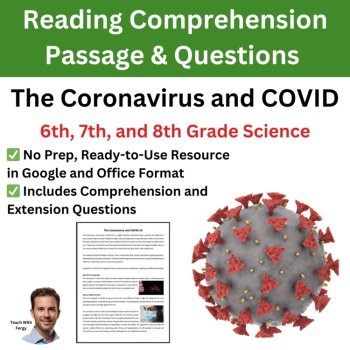
Tackle literacy and science by having your students read and answer questions from a scientific article about the Coronavirus and COVID. Questions include knowledge (direct from the paper), thinking, connecting, application, and open-ended varieties.The reading looks at:What is the Coronavirus and C
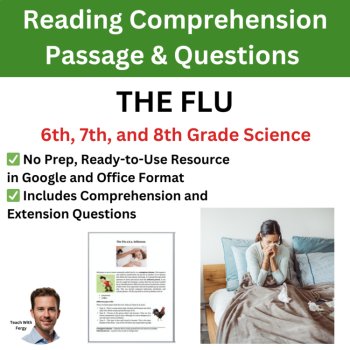
Tackle literacy and science by having your students read and answer questions from a scientific article about The Flu. Questions include knowledge (direct from the paper), thinking, connecting, application, and open-ended varieties.The reading looks at:What causes the fluHow the flu is spreadDiffere
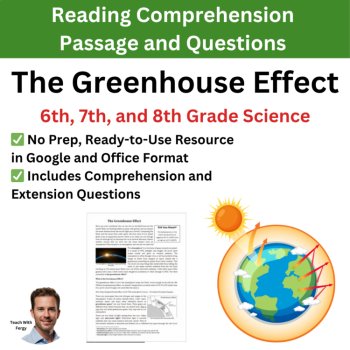
Tackle literacy and science by having your students read and answer questions from a scientific article about The Greenhouse Effect. Questions include knowledge (direct from the paper), thinking, connecting, application, and open-ended varieties.The reading looks at:- What is the greenhouse effect?-
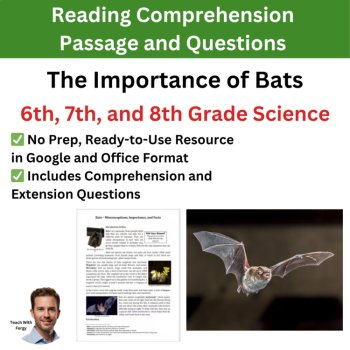
Tackle literacy and science by having your students read and answer questions from a scientific article about the Importance of Bats. Questions include knowledge (direct from the paper), thinking, connecting, application, and open-ended varieties.The reading looks at:- Introduction to bats- Echoloca
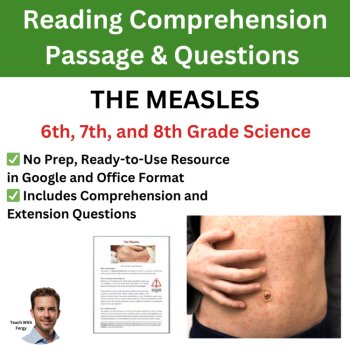
Tackle literacy and science by having your students read and answer questions from a scientific article about the Measles. Questions include knowledge (direct from the paper), thinking, connecting, application, and open-ended varieties.The reading looks at:What are measles?Why is getting measles dan
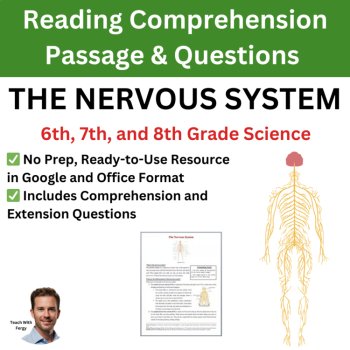
Tackle literacy and science by having your students read and answer questions from a scientific article about the Nervous System. Questions include knowledge (direct from the paper), thinking, connecting, application, and open-ended varieties.The reading looks at:What is the nervous system?What are
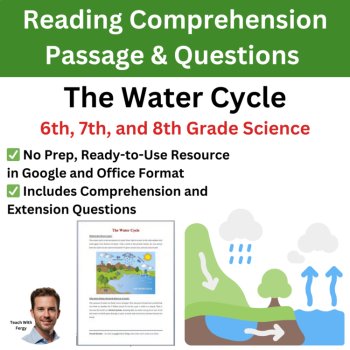
Tackle literacy and science by having your students read and answer questions from a scientific article about the Water Cycle. Questions include knowledge (direct from the paper), thinking, connecting, application, and open-ended varieties.The Reading Looks at:- What is the water cycle?- Why Does Wa
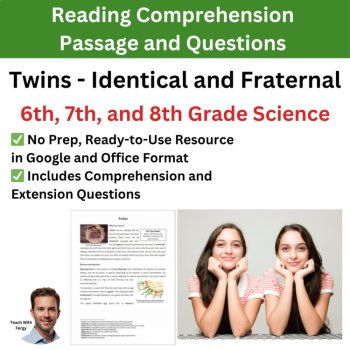
Tackle literacy and science by having your students read and answer questions from a scientific article about Twins - Identical and Fraternal. Questions include knowledge (direct from the paper), thinking, connecting, application, and open-ended varieties.The reading looks at:- What are twins?- Huma
Tackle literacy and science by having your students read and answer questions from a scientific article about Urban Sprawl. Questions include knowledge (direct from the paper), thinking, connecting, application, and open-ended varieties.The reading looks at:- What is urban sprawl?- What causes urban
Tackle literacy and science by having your students read and answer questions from a scientific article about Vaccines. Questions include knowledge (direct from the paper), thinking, connecting, application, and open-ended varieties.The reading looks at:What is the cardiovascular system?What are the
Tackle literacy and science by having your students read and answer questions from a scientific article about Cancer. Questions include knowledge (direct from the paper), thinking, connecting, application, and open-ended varieties. The reading looks at:What is a virus?How do viruses make you sick?Pr
Tackle literacy and science by having your students read and answer questions from a scientific article about Watersheds. Questions include knowledge (direct from the paper), thinking, connecting, application, and open-ended varieties.The Reading Looks at:- What Are Watersheds?- How Are Watersheds D
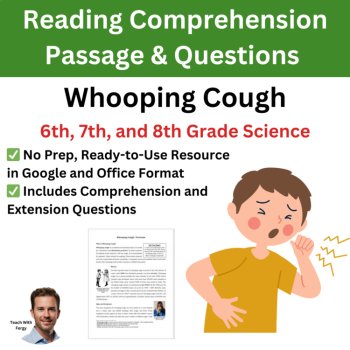
Tackle literacy and science by having your students read and answer questions from a scientific article about Whooping Cough. Questions include knowledge (direct from the paper), thinking, connecting, application, and open-ended varieties.The reading looks at:What is whooping cough?HistorySigns and
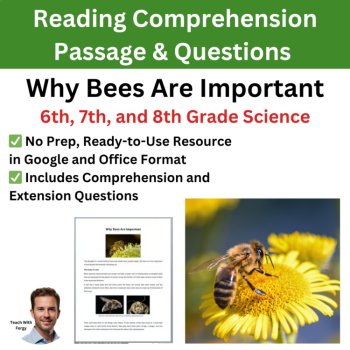
Tackle literacy and science by having your students read and answer questions from a scientific article about Why Bees Are Important. Questions include knowledge (direct from the paper), thinking, connecting, application, and open-ended varieties.The Reading Looks at:- The body of a bee- Bees help t
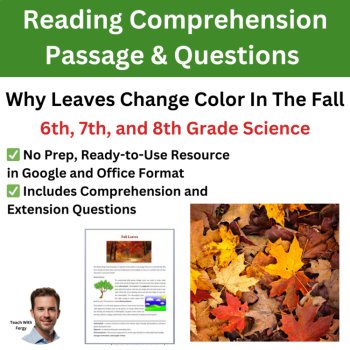
Tackle literacy and science by having your students read and answer questions from a scientific article about Why Leaves Change Color In The Fall. Questions include knowledge (direct from the paper), thinking, connecting, application, and open-ended varieties.The reading looks at:- Green leaves- Pho
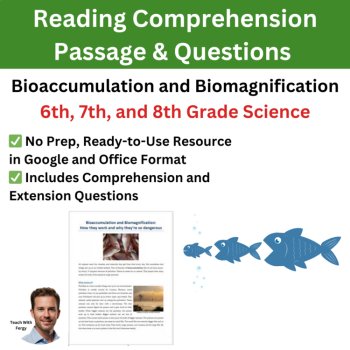
Tackle literacy and science by having your students read and answer questions from a scientific article about Bioaccumulation and Biomagnification. Questions include knowledge (direct from the paper), thinking, connecting, application, and open-ended varieties.The reading looks at:- What they are- W
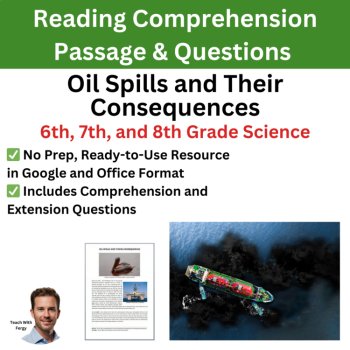
Tackle literacy and science by having your students read and answer questions from a scientific article about Oil Spills and Their Consequences. Questions include knowledge (direct from the paper), thinking, connecting, application, and open-ended varieties.The Reading Looks at:- a case study of the
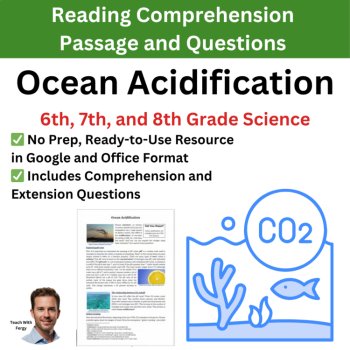
Tackle literacy and science by having your students read and answer questions from a scientific article about Ocean Acidification. Questions include knowledge (direct from the paper), thinking, connecting, application, and open-ended varieties.The reading looks at:- Explaining pH value- The relation
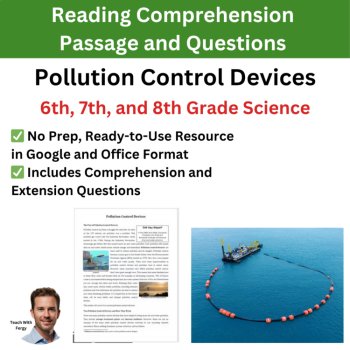
Tackle literacy and science by having your students read and answer questions from a scientific article about Pollution Control Devices. Questions include knowledge (direct from the paper), thinking, connecting, application, and open-ended varieties.The reading looks at:- The past of pollution contr
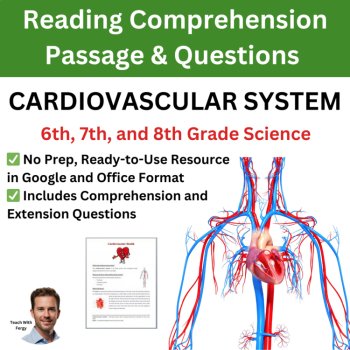
Tackle literacy and science by having your students read and answer questions from a scientific article about Allergies. Questions include knowledge (direct from the paper), thinking, connecting, application, and open-ended varieties.The reading looks at:What is the cardiovascular system?What are th
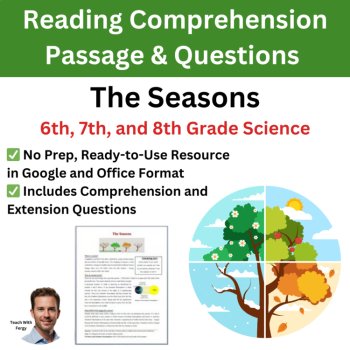
Tackle literacy and science by having your students read and answer questions from a scientific article about the Seasons and What Causes Them. Questions include knowledge (direct from the paper), thinking, connecting, application, and open-ended varieties.The Reading Looks at:What is a season?Why d
No questions yet.

Meet the Seller
Middle and High School Science Engaging Resources
I have been selling resources to middle and high school teachers for the last 15 years. During that time I've also been in the classroom so I know what works and what will help your students the most.
Canada
$22.50 $34.75 (318)
$22.50 $33.50 (190)
$22.50 $33.00 (128)
$21.50 $35.00 (221)
$21.50 $34.00 (218)
$21.50 $31.50 (173)